



As cyber threats become more cunning and digital transformation accelerates, organizations need a strong leader at the helm of security. The Chief Information Security Officer (CISO) has become the linchpin of resilience, guiding companies through a maze of risks and opportunities.
So, what does a ciso do in 2026? This guide demystifies the CISO’s evolving responsibilities and strategic impact. We’ll explore their core duties, how the role is changing, and the essential skills needed to lead in an era shaped by AI, cloud, and new regulations.
Let’s dive in and discover insights to help you build a world-class security program.
The CISO Role in 2026: An Executive Overview
In today’s digital-first world, organizations are asking a critical question: what does a ciso do to keep us secure and competitive? The answer is more complex and impactful than ever. The CISO has become a core member of the executive team, shaping not only security strategy but the entire business direction.
Defining the Modern CISO
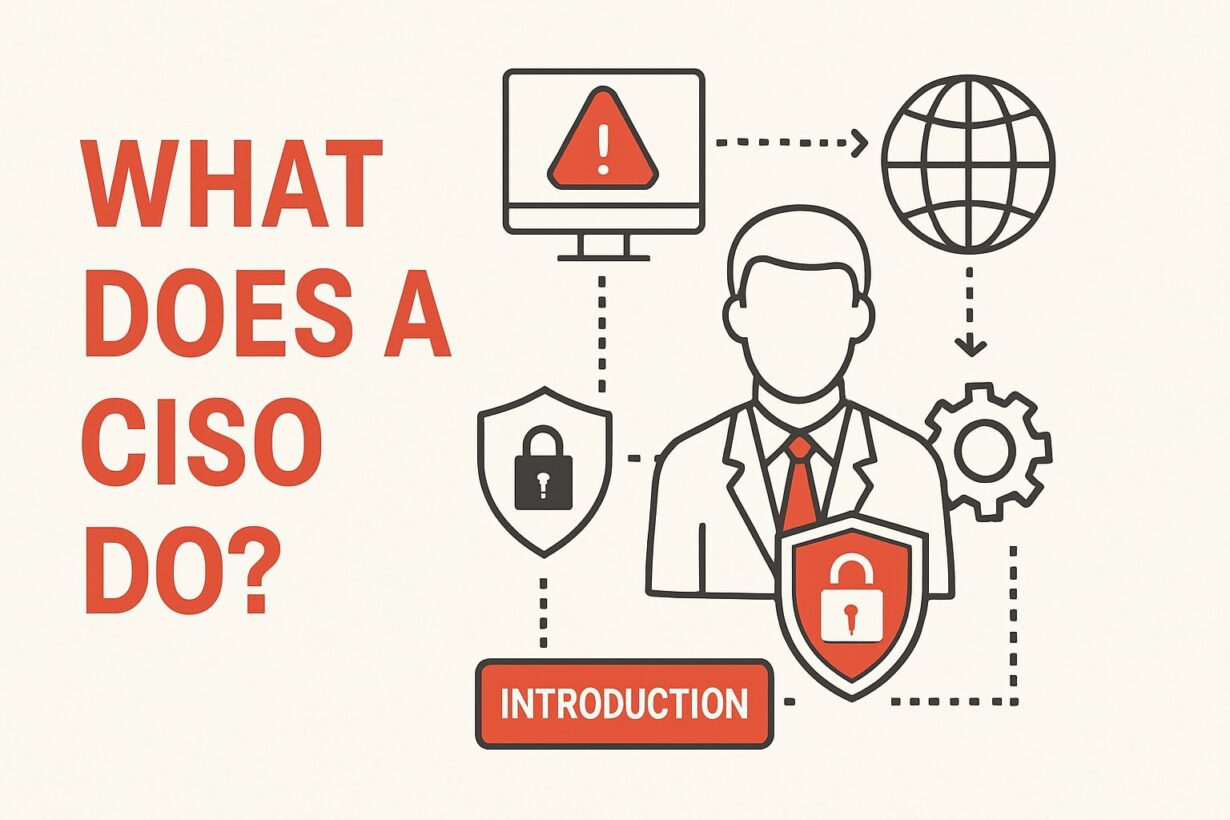
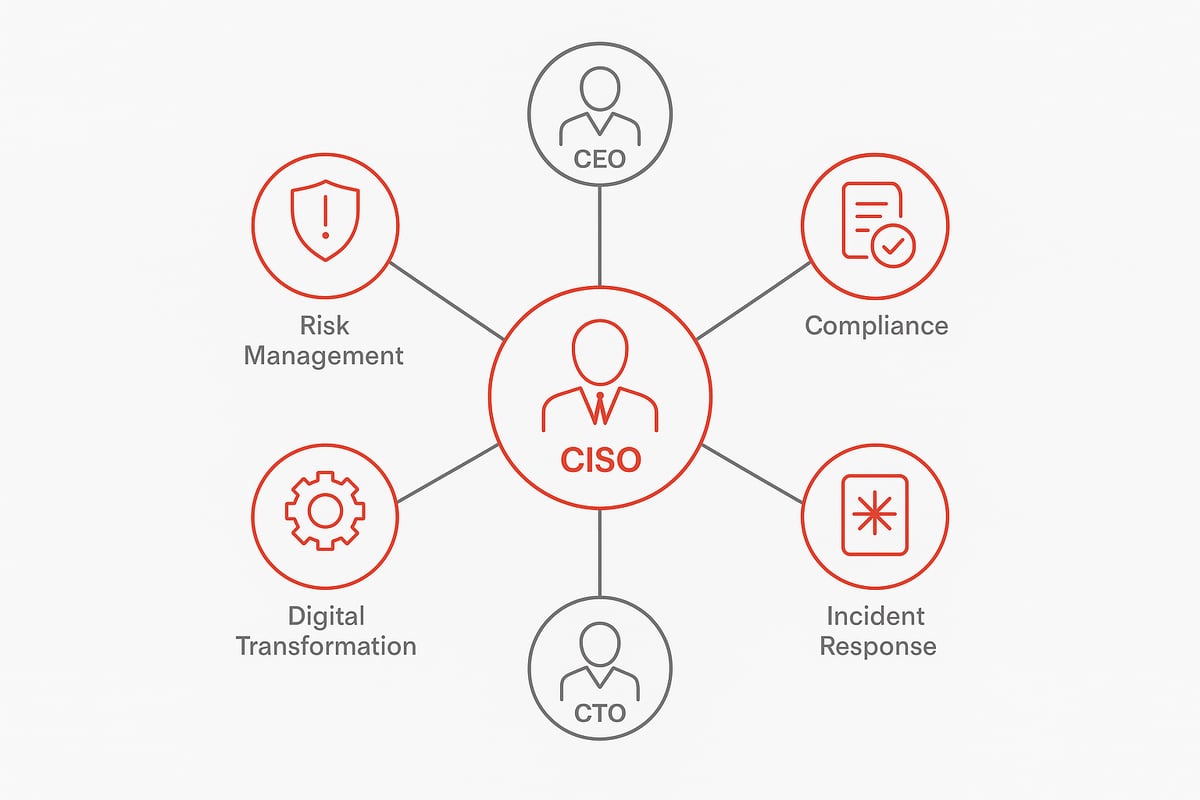
The modern CISO holds a prominent seat in the C-suite, often reporting directly to the CEO or board. This shift reflects how essential the role has become in balancing business growth with cyber resilience. For those wondering what does a ciso do beyond IT, the answer is strategic leadership. The CISO is responsible for safeguarding information assets, enabling innovation, and managing risk across every business unit.
Unlike the CIO, who manages IT infrastructure, or the CTO, who drives technology innovation, the CISO’s focus is on protecting digital value and ensuring continuity. The CSO may handle broader physical security, but the CISO leads cybersecurity and data protection efforts.
What does a ciso do when it comes to executive influence? Increasingly, CISOs participate in board meetings, shape policy, and provide critical input during digital transformation projects. For example, CISOs are at the forefront of guiding secure cloud migrations, ensuring that every new system is built with security in mind.
Compensation reflects this growing responsibility. In 2024, the median CISO salary reached $206,420 according to the BLS, with a notable rise in 2025 amid new digital risks. For deeper insights, the CISO compensation trends 2025 report highlights how market demand and evolving threats are driving CISO pay higher.
A modern CISO’s mandate includes:
- Protecting sensitive data and systems
- Enabling secure innovation and digital transformation
- Managing enterprise-wide risk and compliance
- Leading incident response and recovery
- Building a culture of security across the organization
Key Trends Shaping the CISO Role
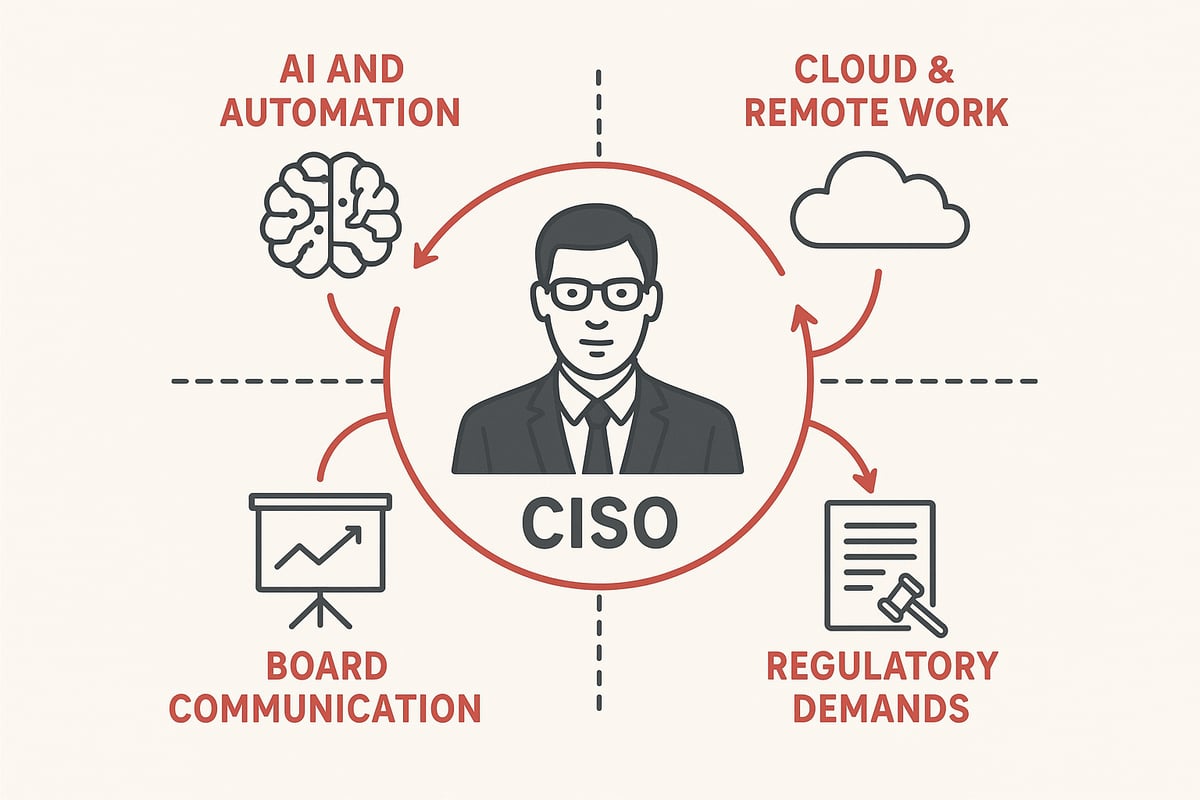
The question of what does a ciso do in 2026 is shaped by rapid change. AI and automation are transforming both threats and defense, requiring CISOs to master new tools and anticipate evolving risks. Cloud adoption and hybrid work have expanded the CISO’s oversight from on-premises networks to global, distributed environments.
Today’s CISOs must also address:
- Data privacy regulations like GDPR and CCPA
- Supply chain and third-party security risks
- Business continuity planning for cyber resilience
- Cross-functional communication with legal, HR, and finance
Regulatory scrutiny is rising, making compliance and reporting a daily responsibility. The CISO’s role now emphasizes resilience—ensuring the business can recover quickly from any attack, not just prevent one.
A striking example is the CISO’s leadership during ransomware or supply chain incidents. In these moments, what does a ciso do? They coordinate technical response, update executives, and communicate with regulators and the public, all while protecting the company’s reputation.
The modern CISO must be a strategist, communicator, and innovator. Their influence reaches every corner of the organization, making them indispensable to future-ready businesses.
Core Responsibilities of a CISO: What’s on the 2026 Agenda?
The question on everyone’s mind in 2026 is clear: what does a ciso do in a world shaped by AI, relentless cyber threats, and constant digital change? The answer is more complex than ever. CISOs have moved far beyond traditional security roles, now steering business strategy, risk, and resilience. Let’s break down the essential responsibilities shaping a CISO’s agenda this year.
Building and Leading Security Strategy
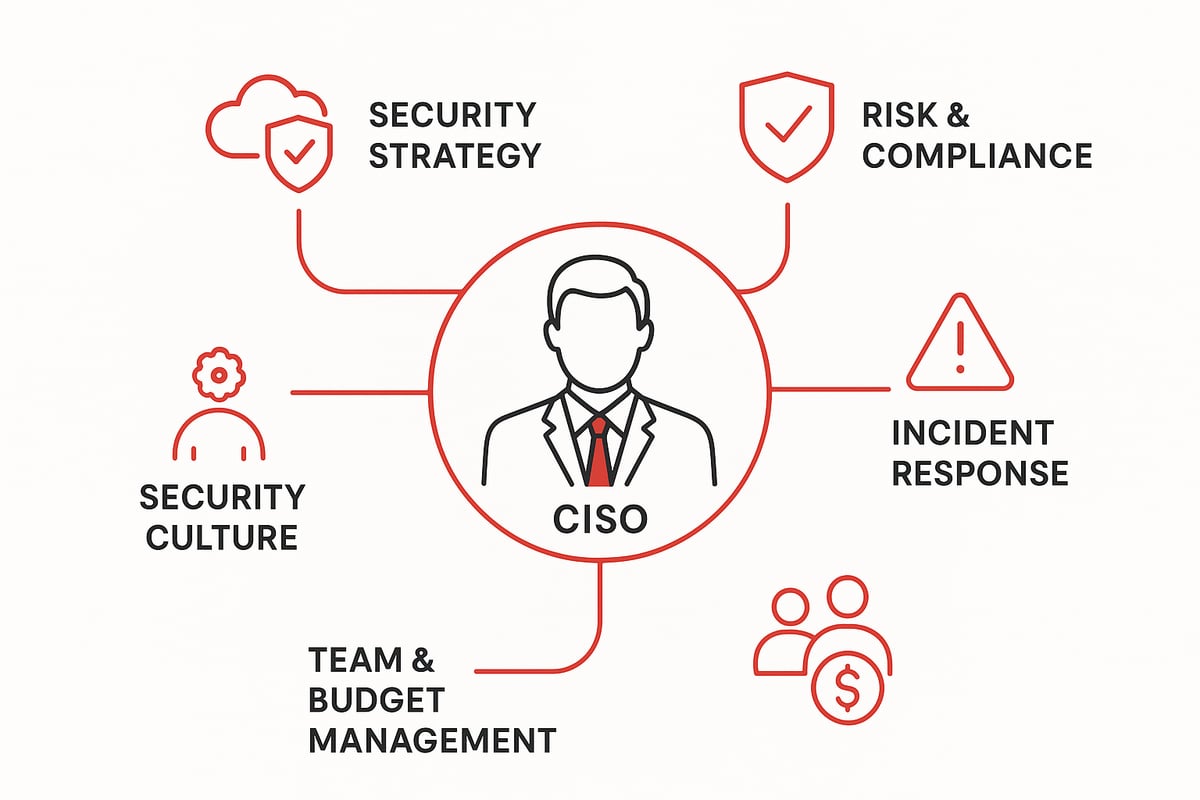
At the heart of what does a ciso do is the development and execution of a robust security strategy. In 2026, this means aligning cybersecurity initiatives with overall business objectives, not just IT goals.
CISOs set the vision for enterprise security architecture, policies, and controls. They work closely with executive leadership, ensuring security supports innovation and digital transformation. For example, a CISO might lead a cloud migration, embedding secure-by-design principles from the outset to reduce risk and enable agility.
Key actions include:
- Defining risk appetite and governance frameworks
- Prioritizing investments based on business impact
- Facilitating security by design for all new projects
If you want to dive deeper, check out this guide on building a cybersecurity strategy for actionable frameworks and best practices.
A modern security strategy is never static. CISOs must continuously adapt as threats and technologies evolve, always asking: what does a ciso do to keep the organization ahead?
Managing Cyber Risk and Compliance
A huge part of what does a ciso do involves identifying, assessing, and mitigating cyber risks. This responsibility covers everything from daily threat monitoring to long-term compliance planning.
CISOs lead risk assessments and audits, using frameworks like NIST or ISO 27001 to gauge vulnerabilities. They oversee compliance with regulations such as SOX, HIPAA, PCI DSS, and GDPR, which now demand constant vigilance due to evolving legal requirements.
Managing third-party and supply chain risk is also critical. With businesses relying on an ever-growing web of vendors and partners, CISOs must ensure controls extend beyond company walls.
Some core activities:
- Conducting continuous monitoring and vulnerability management
- Overseeing compliance reporting and documentation
- Driving risk management for multinational operations
In 2026, what does a ciso do differently? They adopt a proactive stance, using advanced analytics and automation to spot risks early and keep the organization compliant.
Overseeing Incident Response and Crisis Management
When a cyber incident strikes, what does a ciso do first? They activate well-rehearsed response plans to minimize damage and restore operations quickly.
CISOs develop, test, and refine incident response protocols. They lead security operations centers (SOCs), ensuring teams can detect and respond to ransomware, data breaches, or insider threats. Communication is key—CISOs must coordinate with executives, regulators, and sometimes the public to manage crises transparently.
Typical incident response duties:
- Running tabletop exercises and simulations
- Orchestrating technical and business response teams
- Communicating updates and lessons learned post-incident
A strong incident response capability is a hallmark of a mature security program. Today, what does a ciso do is defined by their ability to lead under pressure and turn crises into learning opportunities.
Fostering Security Culture and Training
Security is a team sport, and what does a ciso do to build a resilient culture? They champion security awareness at every level, making sure all employees understand their role in protecting the organization.
CISOs design and deliver engaging training programs, from phishing simulations to executive briefings. They encourage a culture of shared responsibility, where everyone feels empowered to spot and report risks.
Key initiatives include:
- Launching organization-wide security awareness campaigns
- Customizing training for different roles and departments
- Recognizing and rewarding positive security behaviors
A thriving security culture helps organizations stay ahead of threats. It’s all about people—what does a ciso do to inspire, educate, and unite the workforce around a common goal?
Managing Security Teams and Budgets
Finally, what does a ciso do to build and sustain high-performing teams? They recruit, mentor, and retain top cybersecurity talent, structuring teams for agility and expertise.
CISOs oversee budgets, making the case for investments that drive measurable risk reduction. They scale teams across SOC, governance, risk, compliance (GRC), and privacy functions, adapting as the threat landscape shifts.
Major responsibilities:
- Attracting and developing diverse security professionals
- Allocating resources for technology, training, and tools
- Justifying budget requests to the board with clear ROI
Ultimately, the answer to what does a ciso do is this: they orchestrate people, processes, and technology to protect the organization’s future—every single day.
Evolving Challenges and Opportunities for CISOs
The landscape for CISOs is shifting at lightning speed. As we look at what does a ciso do in 2026, it’s clear that the role is marked by both daunting challenges and exciting opportunities. The rise of AI, cloud-first strategies, and new regulations have transformed the job. Let’s explore the evolving demands CISOs face—and how they are stepping up to lead organizations with confidence.
Navigating the AI and Automation Revolution
AI is changing what does a ciso do in profound ways. Today’s CISOs must defend against attackers using AI-driven malware, deepfakes, and automated phishing. These new threats move fast, requiring equally agile defenses.
To keep up, CISOs are leveraging AI themselves. Automated threat detection, behavioral analytics, and SOAR (Security Orchestration, Automation, and Response) platforms are now standard. They help teams spot incidents in real time and respond instantly, freeing up experts for bigger-picture strategy.
Balancing innovation and risk is crucial. CISOs experiment with AI tools, but always assess their security implications. For example, a CISO might deploy AI for rapid malware analysis, then test the system for bias or blind spots before full rollout.
Collaboration is key. CISOs work with data scientists, IT, and business leaders to ensure AI is both powerful and safe. In this era, what does a ciso do is as much about leading innovation as stopping threats.
Securing Cloud, Hybrid, and Remote Work Environments
Cloud adoption and remote work have redefined what does a ciso do for many organizations. Now, information lives everywhere: in public clouds, private data centers, and on employee devices around the globe.
CISOs must oversee security across these hybrid environments. This means identifying cloud-specific risks, like misconfigured storage or shadow IT, and putting strong controls in place. Zero trust models are becoming the norm, focusing on verifying every user and device, every time.
Remote work introduces its own challenges. CISOs address risks from home networks, personal devices, and unsecured Wi-Fi. They promote secure SaaS adoption, making sure business tools are safe and compliant.
Teamwork matters here, too. CISOs partner with HR, IT, and operations to build security into every workflow. Ultimately, what does a ciso do is ensure the business can operate flexibly, without sacrificing safety.
Meeting Regulatory and Legal Demands
Regulatory pressure is rising, adding new layers to what does a ciso do. Laws like GDPR and CCPA require strict data privacy controls, while industry rules (SOX, HIPAA, PCI DSS) demand regular audits and reporting.
CISOs stay ahead by monitoring legal changes worldwide. They manage compliance programs, prepare for audits, and oversee disclosures when incidents occur. This often means working closely with legal, privacy, and compliance teams.
Documentation and transparency are essential. CISOs must maintain clear records of security actions, policies, and incident responses. When regulators or customers ask tough questions, CISOs provide answers with confidence.
Adaptability is vital. In 2026, what does a ciso do includes preparing for new rules, guiding the business through changes, and ensuring trust with customers and partners.
Communicating Cyber Risk to the Board and Stakeholders
Translating complex security threats into clear business language is a core part of what does a ciso do. Boards want to understand risks, return on investment, and how security supports growth—not just technical jargon.
CISOs build strong relationships with executives, presenting risk dashboards and actionable insights. They explain how investments reduce risk and support business goals. This communication builds trust and helps secure funding for future initiatives.
For practical frameworks and tips on making these conversations impactful, check out Effective cyber risk management.
The best CISOs turn security into a business enabler. By sharing stories, metrics, and real-world examples, they inspire action at every level. In 2026, what does a ciso do is not just protect data—it’s lead the conversation on resilience and value.
Essential Skills and Qualifications for CISOs in 2026
The question “what does a ciso do” is more complex than ever in 2026. The landscape is shifting fast, and today’s CISOs need a blend of technical expertise, strategic vision, and people skills to thrive. Let’s explore the essential skills and qualifications shaping the CISO role now and in the years ahead.
Technical and Strategic Competencies
To truly answer “what does a ciso do,” we need to look at the technical and strategic foundations. Modern CISOs must master cybersecurity frameworks like NIST and ISO 27001. This means understanding not just the rules, but how to apply them in real business environments.
Expertise in cloud security, AI, and emerging technologies is critical. As organizations embrace digital transformation, CISOs set the vision for secure architecture, policies, and controls. Strategic planning and business acumen are equally important. Successful CISOs bridge the gap between IT and executive leadership, ensuring security goals align with business objectives.
Project management, risk assessment, and process optimization round out these core competencies. The most effective CISOs lead by example, guiding their teams through complex challenges with confidence.
Leadership, Communication, and Influence
Leadership is at the heart of what does a ciso do. The best CISOs have executive presence, building trust with the board and senior management. They are skilled communicators, translating technical jargon into clear, actionable insights for non-technical audiences.
Stakeholder management is a daily reality. CISOs must build consensus across departments, balancing sometimes competing priorities. Crisis communication is another vital skill. When incidents occur, CISOs need to keep everyone informed, calm, and focused on solutions.
Mediating between IT, legal, and business leaders is common. The ability to influence and inspire others is what sets apart top CISOs in 2026.
Education, Certifications, and Experience
If you are wondering what does a ciso do to prepare for this demanding role, education and continuous learning are essential. Most CISOs hold a bachelor’s or master’s degree in cybersecurity, information technology, or a related field. However, real-world experience often matters just as much as formal education.
Certifications are highly valued. Credentials like CISSP, CISM, CISA, and GIAC demonstrate commitment and expertise. The landscape evolves rapidly, so ongoing education is key. For a comprehensive overview, check the CISO training and certification guide to find pathways that fit your ambitions.
Experience in technical, managerial, and risk-focused roles helps CISOs develop a well-rounded perspective. Exposure to compliance, incident response, and architecture is especially valuable.
Building a Career Path to CISO
The journey to CISO is rarely linear. So, what does a ciso do to reach the top? Many start as security analysts or engineers, moving into management roles and gradually taking on more responsibility. Mentorship, networking, and participation in professional communities can accelerate your growth.
Hands-on experience across different security domains is crucial. Leading cross-functional projects, managing teams, and presenting to executives all help sharpen the skills needed for the CISO role.
Continuous learning, adaptability, and a passion for security will guide you on your path. As you advance, you will help define what does a ciso do for the next generation of leaders.
LarsBirkeland.com: Real-World CISO Guidance and Community
Looking for real answers to what does a ciso do in today’s fast-changing world? LarsBirkeland.com is your trusted hub for practical guidance, offering step-by-step playbooks, proven templates, and expert advice designed specifically for security leaders.
Explore topics like strategy, leadership, and communication in the Security leadership essentials section, all tailored to the real-world challenges CISOs face in 2026. Join the CISO LaunchPad Community to connect, share, and grow with peers who understand your journey.
Find actionable frameworks, leadership insights, and resources that make building a resilient security program achievable for everyone.
How to Prepare for the Future: Steps for Aspiring and Current CISOs
The path to becoming a successful CISO is always evolving. If you have ever wondered, what does a ciso do to prepare for the future, you are not alone. Let us walk through the essential steps together, so you can confidently lead in the world of cybersecurity.
Step 1: Develop a Strategic Security Mindset
To truly understand what does a ciso do, it all starts with shifting from a purely technical focus to a business-driven approach. Today’s CISOs are expected to see the bigger picture, aligning security initiatives with the organization’s goals.
- Engage with executive leadership regularly
- Learn the business’s priorities and risk appetite
- Participate in strategic planning sessions
For added motivation, consider that the 2024 Global CISO compensation survey reveals how CISOs with strategic acumen are valued at the highest levels. By aligning security with business outcomes, you become indispensable.
Step 2: Build Technical and Regulatory Expertise
A big part of what does a ciso do is staying current with the latest technology and compliance trends. This means diving deep into cloud, AI, and regulatory frameworks.
- Pursue certifications like CISSP or CISM
- Stay up to date on GDPR, CCPA, and other regulations
- Experiment with new security tools and platforms
Continuous learning keeps your skills sharp and ensures you can tackle any challenge the future brings.
Step 3: Gain Hands-On Experience Across Security Domains
Knowing what does a ciso do also means gaining experience in every corner of cybersecurity. Rotate through roles in operations, governance, and architecture.
- Work in Security Operations Centers (SOC)
- Lead incident response efforts
- Manage compliance projects
The more hands-on experience you collect, the more confident you will feel leading diverse teams and tackling complex threats.
Step 4: Strengthen Leadership and Communication Skills
A huge part of what does a ciso do is about people, not just technology. You will need to communicate risk to executives, inspire your teams, and build consensus across departments.
- Practice explaining technical topics in plain language
- Build relationships with finance, HR, and legal teams
- Present security updates to the board
Effective communication bridges gaps and turns cyber risk into business opportunity.
Step 5: Cultivate a Resilient Security Culture
Another answer to what does a ciso do is fostering a workplace where security is everyone’s responsibility. Promote awareness and continuous learning.
- Launch regular training and phishing simulations
- Share success stories and lessons learned
- Recognize and reward security champions
Building a strong culture makes your organization more resilient against threats.
Step 6: Network and Engage with the Security Community
No CISO succeeds alone. Connect with peers to share knowledge and grow together.
- Join professional groups and attend conferences
- Seek mentors and offer mentorship in return
- Participate in online forums and communities
Together, we are stronger and better equipped to face new challenges.
Step 7: Prepare for Emerging Threats and Opportunities
Finally, what does a ciso do to stay ahead? Always keep an eye on the horizon. Monitor the threat landscape, experiment with new technologies, and adapt your strategies.
- Watch for new AI-driven attacks and defenses
- Pilot the latest security models and practices
- Collaborate with other leaders to anticipate trends
By staying proactive, you will be ready for whatever the future brings.
If you’re inspired to take your security leadership to the next level after exploring what it really means to be a CISO in 2026, you’re not alone. Navigating this fast-changing landscape—with all its new challenges and opportunities—can feel overwhelming, but you don’t have to do it solo.
We’re building a space for real conversations, practical advice, and shared growth. Whether you’re a current CISO or just starting your journey, let’s connect, learn, and support each other as a community. I’d love for you to Join CISO Launchpad Community and be part of this journey with us.