


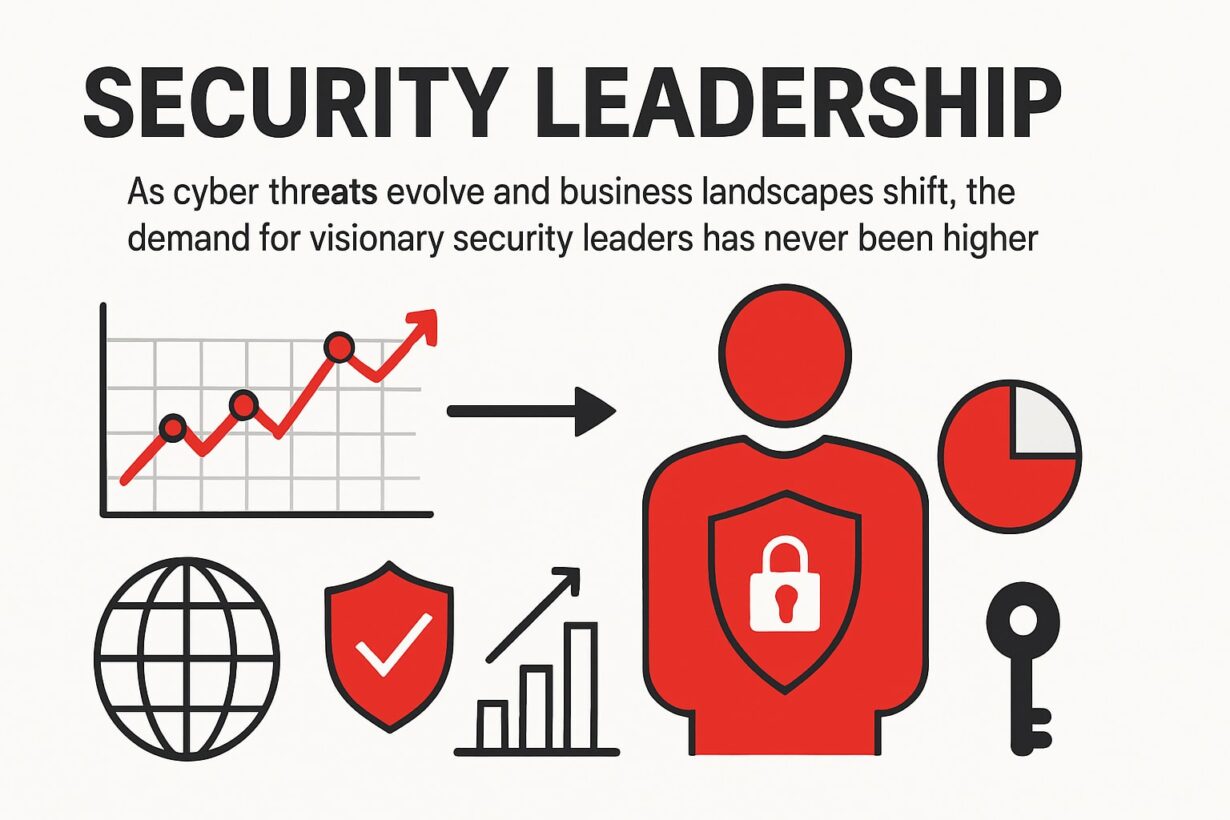
Cyber threats are growing more sophisticated every day, making security leadership more crucial than ever. As organizations adapt to new ways of working and face fresh challenges, the need for forward-thinking leaders has never been greater.
This guide is your roadmap to mastering security leadership in 2026. We will blend technical expertise with strategic influence to help you navigate the complexities of our digital future.
Ready to future-proof your impact? Dive in to discover how the landscape is changing, which skills matter most, and the actionable steps you can take to build a resilient, secure organization.
The Evolving Landscape of Security Leadership in 2026
The field of security leadership is transforming rapidly as we head toward 2026. New challenges and opportunities are emerging every day, reshaping what it means to lead with confidence and vision. Let’s explore the key factors driving this evolution and what they mean for us as current and future security leaders.
Key Trends Shaping Security Leadership
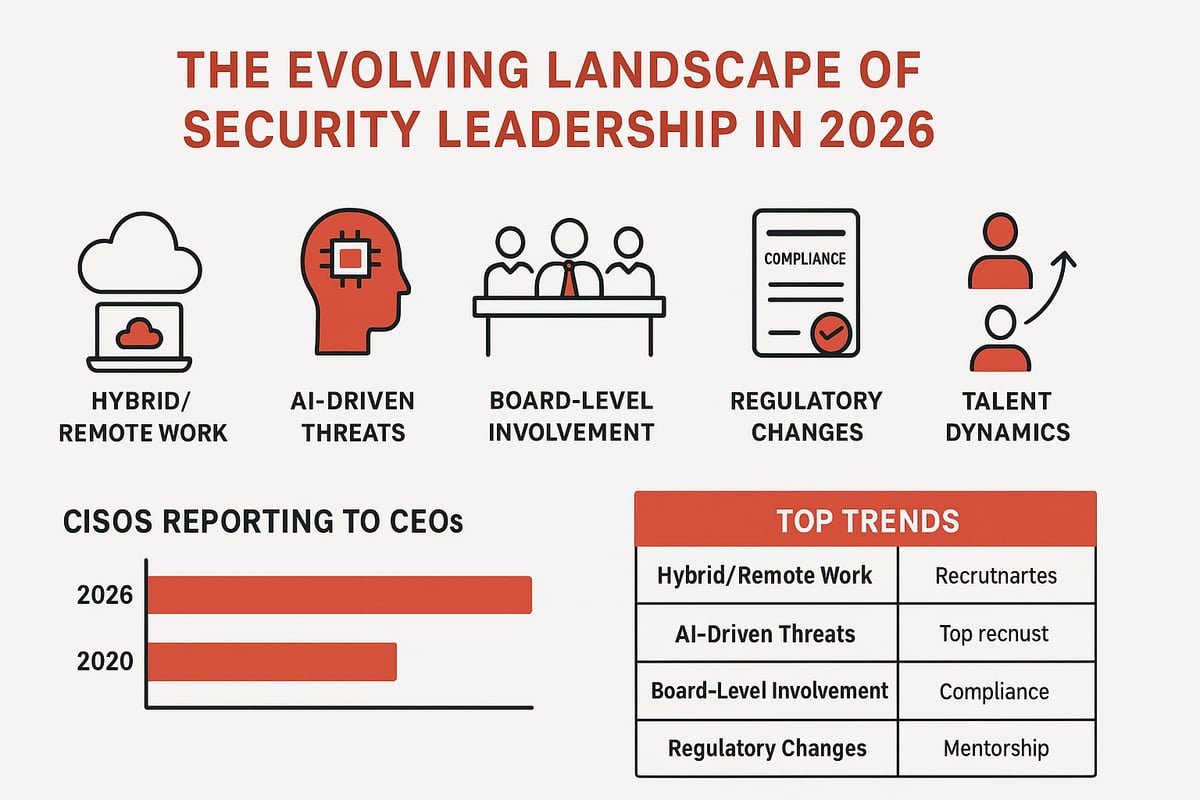
Security leadership is now influenced by a host of powerful trends. The rise of hybrid and remote workforces has expanded the attack surface, requiring new defense strategies. Cloud-native and AI-driven threats are more complex than ever before.
Today, security leadership is visible at the board level, with 68% of CISOs now reporting directly to the CEO, according to the State of the CISO 2025 Report. Regulatory expectations are mounting, with frameworks such as NIS2 and DORA requiring compliance. To succeed, leaders must align security programs closely with business goals.
- Hybrid/remote work increases risks
- AI and cloud-native threats on the rise
- Board-level accountability is the norm
- Regulatory complexity intensifies
- Business alignment is essential
The Expanding Role of the Security Leader
Security leadership is shifting from a technical gatekeeper role to that of a strategic business enabler. Leaders now collaborate across IT, legal, HR, and operations, building bridges that support the broader mission.
Advocating for investment in security means speaking the language of business. Security leaders are now involved in 70% of digital transformation initiatives, underscoring their influence beyond IT. The focus is moving from reacting to threats to proactively managing risk and shaping the organization’s future.
This expanded role makes security leadership both more challenging and more rewarding.
Emerging Threats and Opportunities
The threat landscape is evolving at breakneck speed. AI-powered attacks and deepfakes are bypassing traditional defenses, while supply chain and third-party risks are escalating.
Data privacy is no longer just a compliance checkbox. For many organizations, it has become a competitive differentiator. Security leadership now has the chance to drive trust and enhance brand value, turning challenges into strategic opportunities.
- AI-driven attacks and deepfakes
- Third-party and supply chain risk
- Privacy as a business advantage
Security leadership is about staying ahead, not just catching up.
The Board and Executive Expectations
Boards and executives expect security leaders to translate technical risk into clear business impact. Regular cyber risk briefings are now required by 55% of boards, highlighting the need for strong communication skills.
There is growing scrutiny on incident response and resilience. Security leadership must now deliver measurable outcomes and demonstrate ROI on every dollar spent. Building trust with the board means being transparent, accountable, and always prepared for the unexpected.
Skills Gap and Talent Dynamics
The demand for experienced security leadership far outpaces supply. Many organizations struggle to build a strong leadership pipeline, with only 28% reporting a formal succession plan.
To address this gap, leadership development programs and mentoring are critical. Upskilling teams helps organizations keep pace with evolving threats. Security leadership is about nurturing talent, supporting growth, and ensuring the next generation is ready to lead.
- Leadership development programs are key
- Mentoring and upskilling make a difference
- Succession planning builds resilience
By focusing on people, security leadership helps organizations thrive in a changing world.
Core Competencies for Security Leaders in 2026
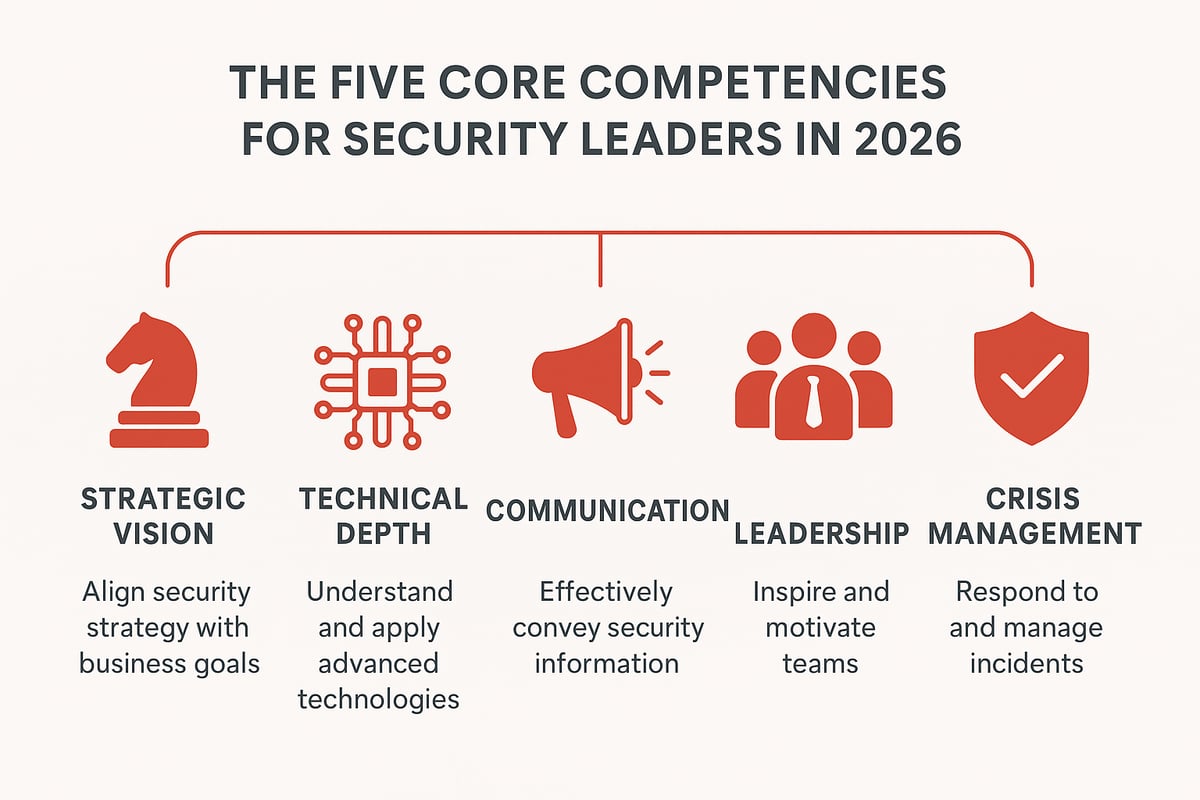
To truly excel in security leadership by 2026, you’ll need to master a blend of strategic, technical, and people-centric skills. Each competency below is a stepping stone, helping you shape resilient teams and drive impactful security outcomes. Let’s break down what matters most for you and your organization.
Strategic Vision and Business Acumen
Security leadership today is about more than safeguarding systems. It’s about aligning security with the company’s broader mission and strategy. Leaders must understand financial drivers, influence investment decisions, and ensure security supports business growth.
For example, many security leaders now play a vital role in M&A assessments and market expansion. By translating technical risks into business opportunities, you help shape key decisions.
To build this competency, focus on risk management and learn to communicate value in boardroom terms. For actionable insights, explore Cybersecurity Risk Management Strategies to see how top leaders approach risk as a business enabler.
Technical Depth and Breadth
A strong foundation in technical concepts remains essential for security leadership. You need to keep pace with cloud, AI, and zero trust architectures, while overseeing complex multi-cloud environments.
It’s not about being the deepest expert in every tool. Instead, balance technical depth in your specialty with a broad understanding of emerging technologies. This allows you to ask the right questions and guide your team through evolving challenges.
Stay curious, encourage learning, and make time for hands-on experimentation. This will help you anticipate threats and seize technology-driven opportunities.
Communication and Influence
Effective security leadership hinges on your ability to communicate with clarity and impact. Translating technical jargon into business language is critical when engaging executives or board members.
Build your executive presence by telling compelling stories that illustrate risk and reward. Use data visualization and real-world scenarios to make your case.
By fostering trust and credibility, you’ll inspire action and secure buy-in for important initiatives. Remember, influence grows when people understand and believe in your vision.
Change Management and Organizational Leadership
Driving a security-first mindset requires more than policies and controls. Security leadership means guiding cultural change and fostering cross-functional collaboration.
Lead by example, engage stakeholders from HR to IT, and launch company-wide security awareness programs. Managing resistance is part of the process, so listen actively and address concerns with empathy.
Mentoring future leaders and supporting team growth will ensure your security program is sustainable and adaptive. Strong leaders build strong cultures.
Crisis Management and Resilience
No matter how robust your defenses, incidents will happen. Security leadership is tested in moments of crisis, when calm guidance and decisive action are needed most.
Prepare by running tabletop exercises, developing business continuity plans, and simulating real-world attacks. These practices build muscle memory and boost team confidence.
After an event, conduct after-action reviews to capture lessons learned. Resilience grows through preparation, reflection, and continuous improvement.
Frameworks and Best Practices for Effective Security Leadership
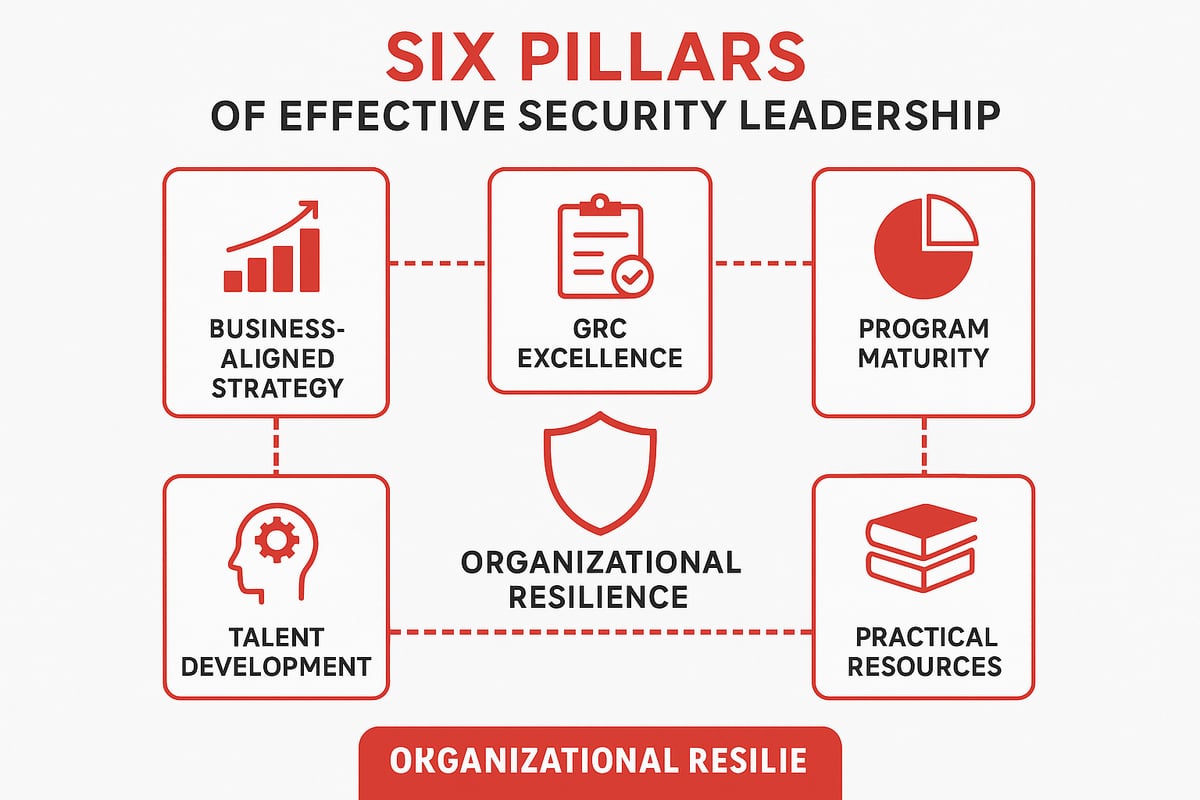
Navigating the future of security leadership means relying on proven frameworks and practical best practices. As threats and business demands evolve, leaders need a toolkit that’s flexible, actionable, and aligned with organizational goals. Let’s explore the essential building blocks for effective security leadership and how to put them into action.
Building a Business-Aligned Security Strategy
A strong security leadership approach starts with aligning security objectives to core business goals. Leaders must understand what drives the business and map security priorities to support those objectives.
Using risk-based prioritization ensures resources are focused on what matters most. Adopting established frameworks like NIST CSF or ISO 27001 is a smart move. For a comprehensive comparison of these approaches, see the Best Cybersecurity Frameworks Overview.
This foundation not only guides decision-making but also helps communicate value to the board and stakeholders. Security leadership thrives when strategy and business direction work hand in hand.
Governance, Risk, and Compliance (GRC) Excellence
Security leadership demands more than technical know-how; it requires mastery of governance, risk, and compliance. Implementing robust GRC frameworks enables leaders to manage evolving regulations like NIS2, DORA, and GDPR with confidence.
Automation tools are essential for streamlining compliance reporting and reducing manual workloads. Leaders should foster a culture of accountability, ensuring security practices are embedded across all departments.
By prioritizing GRC excellence, security leadership helps organizations avoid costly penalties and build lasting trust with customers and regulators.
Security Program Maturity and Metrics
Assessing your security program’s maturity is a core pillar of effective security leadership. Using maturity models from respected sources like IANS or Gartner provides a benchmark for progress, helping leaders spot strengths and areas for improvement.
Key performance indicators (KPIs) and meaningful metrics are critical. Think beyond technical stats—focus on business impact, incident response times, and user engagement in security programs.
Regular benchmarking allows security leadership to demonstrate measurable progress and justify investments to the board.
Talent Development and Succession Planning
Great security leadership is about building and nurturing strong teams. Establishing leadership pipelines and mentoring programs ensures continuity and resilience. Upskilling is vital, especially as threats and technologies change rapidly.
External programs like IANS or CISO LaunchPad can accelerate development. Consider this quick checklist:
- Identify high-potential team members
- Pair them with experienced mentors
- Provide training on emerging threats
- Plan for succession and leadership transitions
By investing in talent, security leadership prepares organizations for whatever the future holds.
Vendor and Third-Party Risk Management
Modern security leadership must tackle supply chain and vendor risks head-on. Integrating third-party risk into enterprise risk management frameworks is essential after high-profile incidents like SolarWinds.
Effective strategies include:
- Conducting thorough vendor assessments
- Requiring security certifications
- Monitoring vendor performance regularly
Board-level scrutiny of vendor risk is increasing, so security leadership must remain proactive to ensure third-party relationships don’t become weak links.
LarsBirkeland.com: Practical Resources for Security Leaders
LarsBirkeland.com offers a wealth of actionable guides, checklists, and community support designed for security leadership. Leaders can access real-world frameworks that translate technical expertise into strategic action.
The CISO LaunchPad community provides mentorship and peer learning, while downloadable templates and playbooks help build resilient programs.
A special focus on communicating cyber risk in business terms ensures security leadership delivers measurable progress and drives organizational resilience.
Leading Through Disruption: AI, Automation, and Emerging Technologies
The pace of change in security leadership is accelerating as new technologies reshape our world. To stay ahead, we need to embrace innovation, adapt quickly, and guide our organizations through uncertainty. Let’s explore how security leadership can thrive amid AI, automation, and emerging threats.
Harnessing AI for Security Advantage
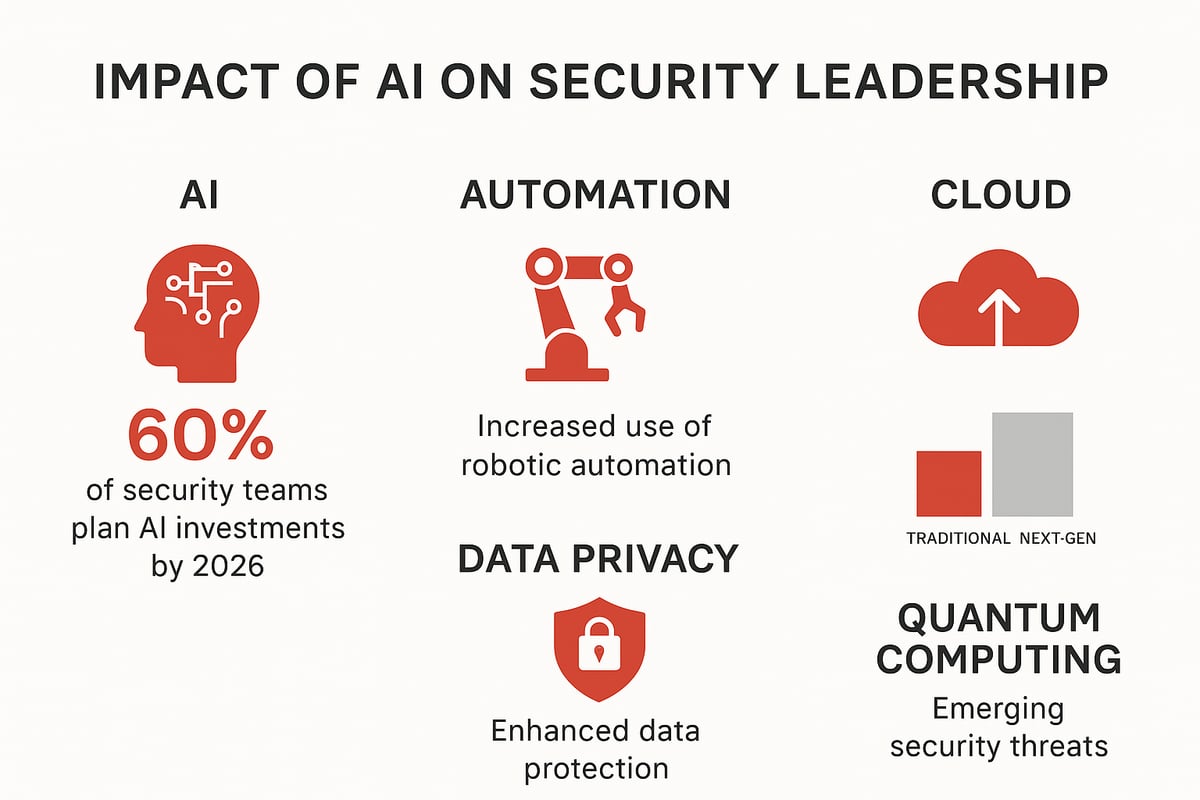
AI is transforming security leadership by offering smarter ways to detect and respond to threats. We see machine learning powering threat intelligence, automating anomaly detection, and even predicting attacks before they happen. However, AI also introduces risks like adversarial attacks and deepfakes.
To stay effective, security leadership must balance AI’s promise and pitfalls. According to recent studies, 60% of security teams plan to increase AI investments by 2026. If you’re curious about how AI is shaping cybersecurity, check out this resource on AI and Cybersecurity Innovations. Embracing AI means continuously learning, testing, and adapting.
Automation and Orchestration in Security Operations
Automation is no longer a luxury for security leadership; it’s a necessity. By automating repetitive tasks, we free up our teams to focus on what matters most. Security orchestration, automation, and response (SOAR) platforms streamline incident response, helping us act quickly and consistently.
The key is to strike a balance between automation and human oversight. Automation boosts efficiency and reduces errors, but our expertise guides critical decisions. As security leadership evolves, we must build teams that leverage both technology and human intuition to stay resilient.
Securing the Cloud and Hybrid Environments
Cloud and hybrid environments present unique challenges for security leadership. Managing multiple cloud providers, maintaining visibility, and enforcing policies across distributed systems requires new approaches. Zero-trust architecture is becoming the gold standard, ensuring that every connection and user is verified.
Security leadership should stay up to date on frameworks and best practices. For a deep dive into how zero trust is transforming cloud security, explore this Zero Trust Architecture: A Systematic Literature Review. As adoption grows, we need to align security controls with business needs and keep pace with rapid cloud innovation.
Data Privacy and Digital Trust
Data privacy is now a cornerstone of security leadership. Customers and partners expect transparency, accountability, and responsible data stewardship. Meeting evolving regulations like GDPR and NIS2 isn’t just about compliance, it’s about building trust and protecting our brand.
Security leadership must champion privacy-first strategies. This means designing processes that respect user data, communicating policies clearly, and making privacy a differentiator. By leading with integrity, we turn compliance into a competitive advantage.
Preparing for Quantum Computing and Next-Gen Threats
Quantum computing is on the horizon, and its potential to break traditional encryption is a game changer for security leadership. We need to anticipate quantum risks and start developing quantum-resilient strategies now. This includes tracking advancements, exploring quantum-safe algorithms, and updating risk assessments.
Staying ahead of next-gen threats requires continuous learning and adaptability. Security leadership will thrive by fostering a culture of innovation, encouraging experimentation, and always preparing for what’s next.
Actionable Steps to Build and Elevate Your Security Leadership
Stepping into top-tier security leadership means embracing growth, adaptability, and influence. Let’s break down clear, practical steps any aspiring or current leader can use to elevate their impact and future-proof their role.
Self-Assessment and Leadership Development Roadmap
Effective security leadership starts with honest self-reflection. Use 360-degree assessments, peer feedback, and internal tools to map your strengths and pinpoint growth areas.
Set specific, measurable goals for both technical and soft skills. Consider leadership development programs or mentorship to accelerate your journey. Regular check-ins keep you accountable and show tangible progress.
- Conduct a skills gap analysis
- Create a personal growth plan
- Seek feedback from diverse stakeholders
This proactive approach lays a strong foundation for your security leadership evolution.
Building Influence and Executive Presence
To excel in security leadership, you need to communicate with clarity and confidence. Translate complex security risks into business language that resonates with executives and board members.
Leverage storytelling and data visualization to illustrate the impact of cyber threats. When discussing resources, reference insights like those in the Security Budget Benchmark Report 2025 to support your case for investments.
- Use real-world examples to build credibility
- Tailor messages to your audience
- Practice presenting risk scenarios in business terms
By refining your executive presence, you’ll drive decisions that align with security leadership goals.
Fostering a Security-First Culture
Building a security-first culture means leading by example and setting clear expectations. Share stories of positive security behaviors and recognize team members who champion best practices.
Launch engaging awareness programs that go beyond check-the-box training. Encourage open dialogue about risks and solutions. Make security part of daily conversations, not just an annual event.
- Highlight success stories
- Reward secure behaviors
- Foster an environment of trust
A thriving culture is the heartbeat of effective security leadership.
Continuous Learning and Community Engagement
Security leadership is a journey, not a destination. Stay current by joining professional networks, attending industry events, and participating in peer groups. Engage with platforms like CISO LaunchPad or IANS for fresh insights.
Explore faculty videos, roundtables, and forums to broaden your perspective. Keep an eye on resources like Top 5 Cyber Security Trends for 2026 to stay ahead of emerging threats.
- Join online communities for peer support
- Attend webinars and live sessions
- Share knowledge and mentor others
This habit of learning fuels your long-term security leadership success.
Crisis Leadership and Incident Response Mastery
When incidents strike, strong security leadership is put to the test. Lead with composure and clarity during high-pressure situations.
Practice regular tabletop exercises and after-action reviews to refine your response. Build muscle memory so your team knows their roles and can act swiftly.
- Simulate real-world scenarios
- Debrief for continuous improvement
- Update plans based on lessons learned
Preparedness and adaptability define resilient security leadership.
Measuring Progress and Iterating for Success
Success in security leadership requires ongoing measurement and adaptation. Establish regular reviews of your leadership approach and security programs.
Use key metrics and stakeholder feedback to guide improvements. Refer to best practices in Cybersecurity Governance Essentials for frameworks on compliance, oversight, and progress tracking.
- Set clear KPIs for leadership and program goals
- Celebrate wins, learn from setbacks
- Adjust strategies based on data
Consistent evaluation ensures your security leadership remains effective and forward-looking.
As we look ahead to the challenges and opportunities of security leadership in 2026, remember you’re not expected to go it alone. We all know this landscape is changing fast, and having a supportive community makes all the difference.
If you’re ready to put these ideas into action, share experiences, and learn with peers who truly get it, I invite you to join us at Join CISO Launchpad.
Together, we can build stronger, more resilient organizations—one step, one conversation, one connection at a time. You belong in this next chapter of security leadership.