


The demand for cybersecurity professionals is skyrocketing as we move toward 2026, with digital threats growing more complex every day. Are you ready to launch a future-proof career and become part of the solution?
This cyber start guide is designed for students and career changers just like you. Here, you’ll discover the latest industry trends, essential skills, educational pathways, and hands-on experiences that will help you stand out in a crowded field.
By starting your journey now, you’ll gain a competitive edge, unlock exciting opportunities, and join a supportive community. Let’s dive in and turn your cyber start into lasting success!
Understanding the Cybersecurity Landscape in 2026
Are you feeling the buzz around cybersecurity? The digital world is expanding fast, and so are the threats that come with it. By 2026, every aspect of our lives will be more connected, making the need for experts greater than ever. The cyber start journey is not just a career move, it is a way to protect our digital future together.
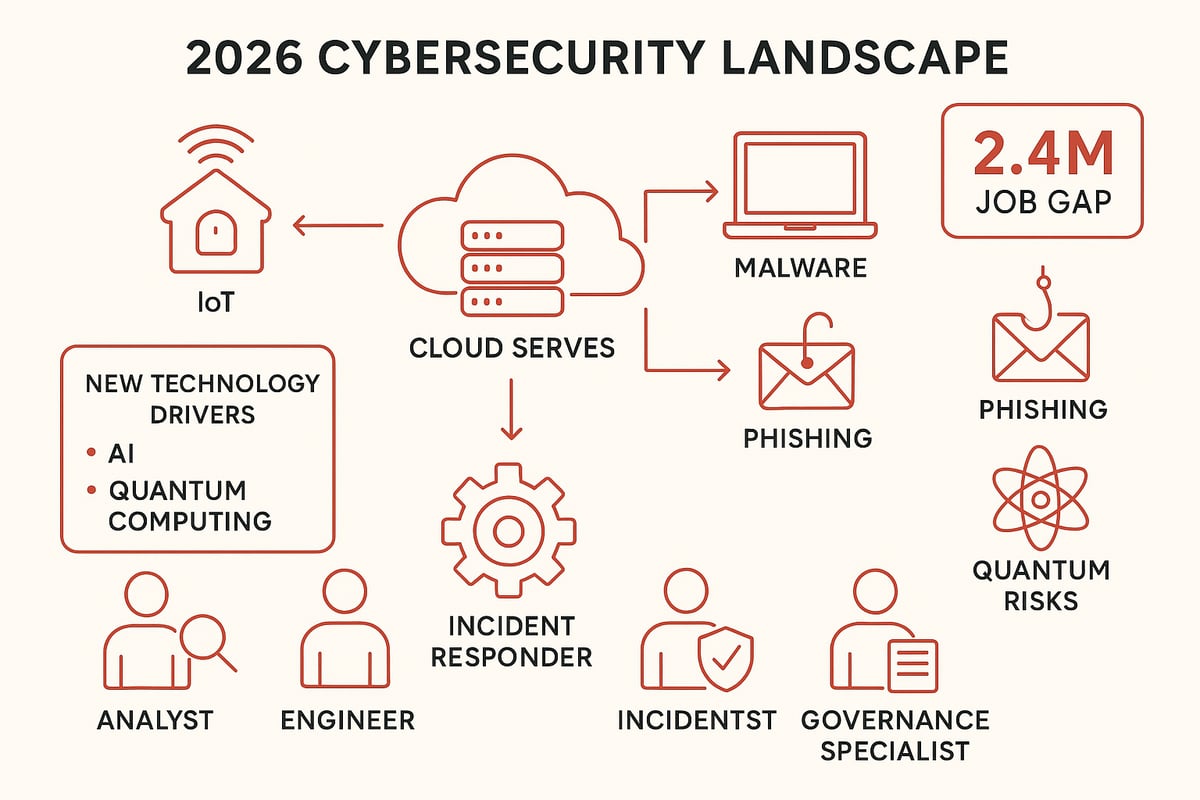
The numbers are staggering. Over 570,000 cybersecurity jobs are unfilled across the U.S., with North Carolina alone needing 18,000+ professionals. According to Cybersecurity Workforce Demand, this gap is only widening as organizations race to defend their data. If you are thinking about a cyber start, now is the time. The demand for skilled defenders is rising faster than ever before.
What is fueling this explosive growth? It is a mix of cloud adoption, the boom in IoT devices, AI and machine learning integration, and the shift to remote work. Each of these trends opens new doors for innovation, but also new risks. By 2026, cybercriminals will target more than just computers. Everything from smart fridges to city infrastructure could be a target. The cyber start adventure means staying ahead of these changes and being ready to face new challenges.
Looking ahead, emerging attack vectors will become even more complex. The rollout of 5G networks will create faster, broader connections, but also more entry points for hackers. Quantum computing may soon threaten current encryption methods, raising the stakes for security teams. A strong cyber start foundation will help you adapt to these shifts and keep your skills sharp.
So, which roles are most sought-after? Analysts, security engineers, incident responders, and governance specialists top the list. These positions require a blend of technical know-how and strategic thinking. Industry forecasts show that early preparation is key. Those who begin their cyber start journey now will be ready to fill these roles when the need peaks in 2026.
Real-world stories highlight why this matters. Recent high-profile breaches have shut down hospitals, halted pipelines, and exposed millions of records. The financial and reputational damage is huge. By making your cyber start early, you gain hands-on experience, build a learning mindset, and develop resilience. Students and career changers who start now set themselves apart in a crowded field.
The bottom line? The cybersecurity landscape in 2026 will be more challenging and rewarding than ever. If you are ready for your own cyber start, this is your moment to jump in, learn, and help defend our digital world.
Step 1: Laying Your Foundations – Cybersecurity Education Pathways
Are you wondering where to begin your cyber start journey in 2026? The right educational pathway can open doors to a future-proof career in this high-demand field. Whether you are a student or a career changer, building your foundation is the first step toward success.
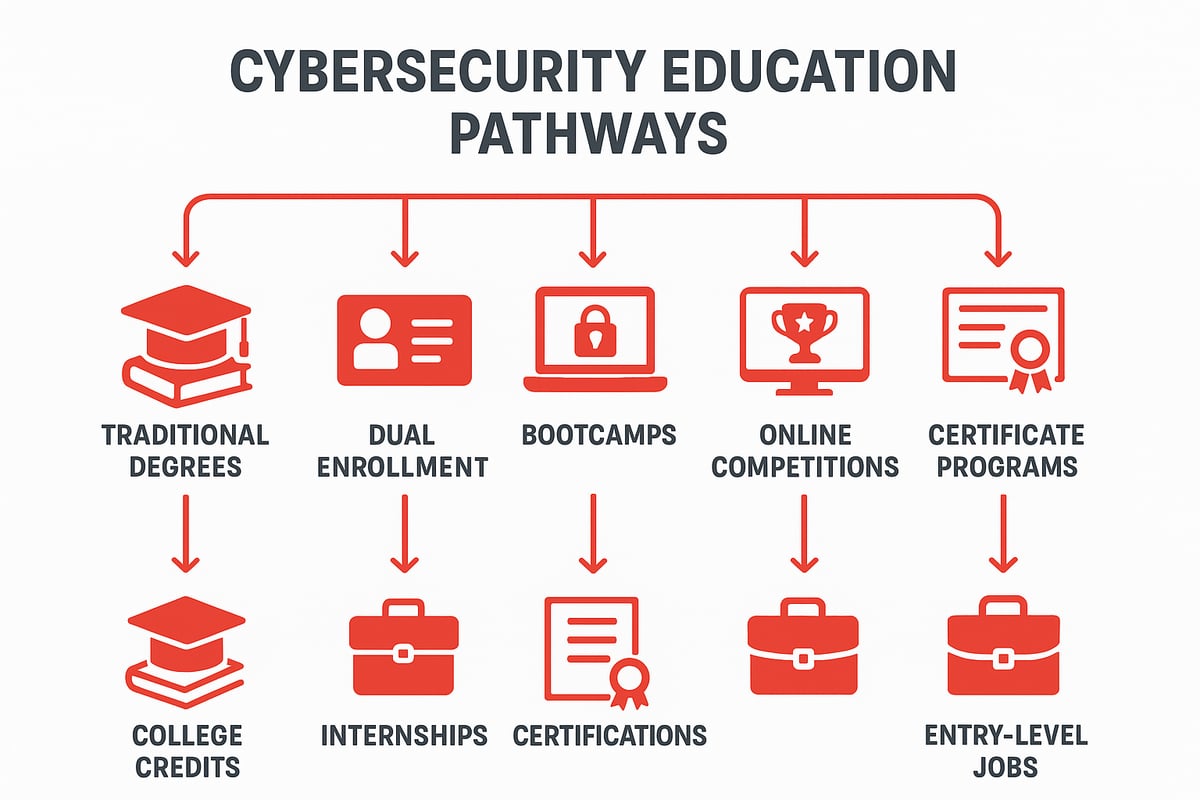
Comparing Your Cybersecurity Education Pathways
There are several routes to launch your cyber start. Traditional four-year degree programs in cybersecurity or computer science are popular for those seeking a comprehensive, academic experience. These programs often offer access to research, internships, and campus resources.
For students wanting a faster, more flexible approach, bootcamps and online certificate courses provide intensive, practical training that can be completed in months instead of years. Bootcamps focus on real-world skills and often include job placement support.
Dual enrollment programs give high school students a unique head start by allowing them to earn college credits while still in school. Some, like Vermont Cyber Start, even offer conditional acceptance to partner colleges, making the transition to higher education smoother.
Online competitions such as CyberStart America are another exciting way to learn. They offer challenge-based learning, allowing participants to solve real cybersecurity problems and gain valuable experience.
If you want to explore all these options in greater detail, visit Cybersecurity Education Pathways for a comprehensive guide to each route.
Early Exposure: A Head Start for High School Students
Starting your cyber start while still in high school can set you apart from the competition. Dual enrollment programs not only let you earn up to nine transferable college credits but also open doors to internships and scholarships.
Participating in online competitions like CyberStart America helps you develop skills from the ground up, even if you have no prior experience. Many students who started early have moved quickly from high school programs to college and then straight into industry jobs.
Early exposure shows commitment and builds confidence, giving you a real advantage when applying to colleges or jobs in cybersecurity.
Options for Adult Learners and Career Pivoters
If you are switching careers or returning to education, there are flexible cyber start pathways designed for adults. Many universities and colleges offer part-time or evening classes, allowing you to study while working.
Online certificate programs are especially popular for career changers. They focus on the skills employers want and can often be completed at your own pace. Bootcamps provide a hands-on, immersive experience that can quickly prepare you for entry-level roles.
These options make it possible for anyone to enter the cybersecurity field, regardless of their background or previous education.
From Learning to Launch: Hands-On Experience and Resources
The best cyber start programs combine theory with practical experience. Hands-on labs, internships, and real-world projects are essential for building confidence and skills.
Data shows that students in dual-enrollment programs often gain valuable internship opportunities, making it easier to transition into the workforce. Many successful professionals followed a pathway from high school to college to industry, leveraging each step for growth.
When searching for programs, always check for accreditation and explore scholarship opportunities to reduce costs. Many organizations, colleges, and competitions offer financial support for those passionate about cybersecurity.
Remember, your cyber start is a journey. Choose the path that fits your goals, take advantage of resources, and begin building the skills that will set you up for success.
Step 2: Building Practical Experience – Hands-On Learning and Competitions
Stepping into the world of cybersecurity is much more than studying theory. If you want your cyber start to be strong, practical experience is your secret weapon. Employers are searching for candidates who have not only learned the basics but have also tested their skills in real-world scenarios.
Getting hands-on is where your journey becomes truly exciting. Imagine solving digital mysteries, defending networks, and working alongside others who share your curiosity. These experiences will shape your confidence and set you apart as you build your cyber start.
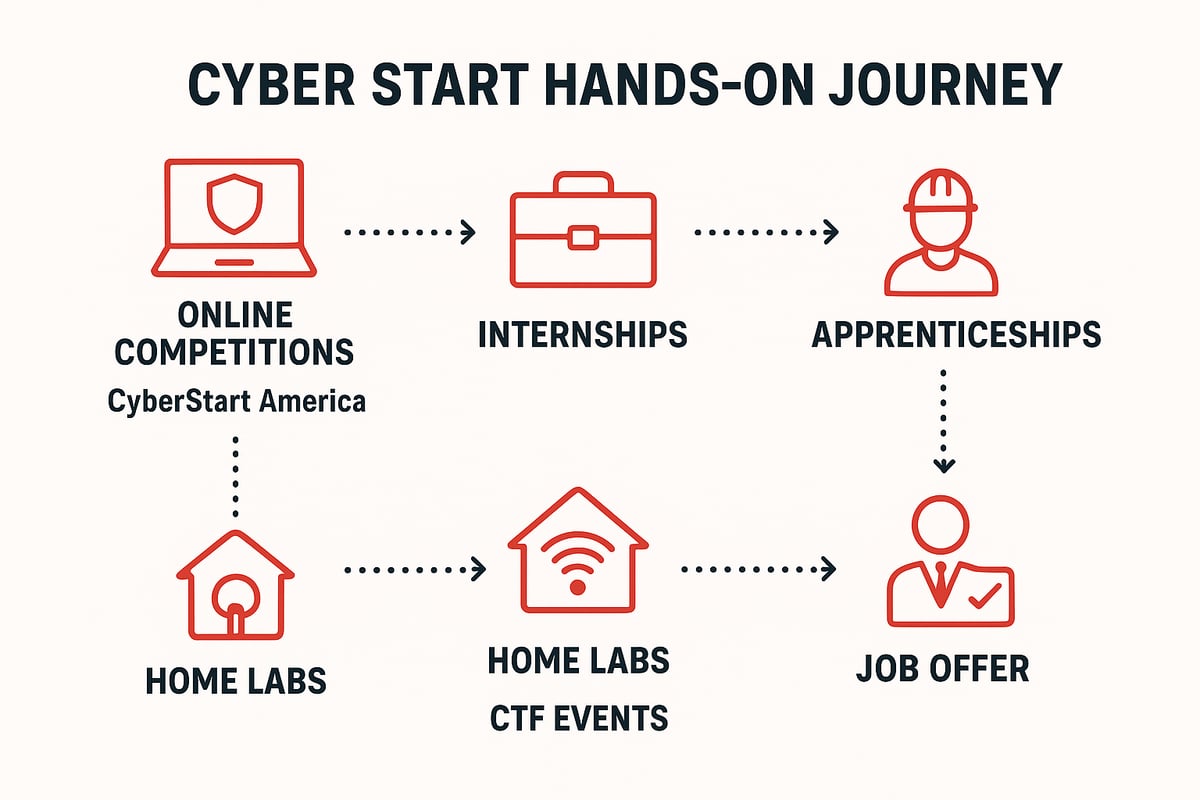
Why Hands-On Experience Matters
A cyber start built on hands-on practice helps you bridge the gap between classroom learning and the fast-paced digital world. Cyber threats are constantly evolving, and employers need people who can respond quickly to real attacks.
When you solve real challenges, you learn to think like both a defender and an attacker. This mindset is essential for anyone aiming to thrive in cybersecurity. Your cyber start should include trial and error, creative problem-solving, and teamwork.
Game-Based Learning and Competitions
Competitions like CyberStart America make learning cybersecurity a thrilling adventure. With over 200 real-world challenges, these platforms let you investigate digital crime scenes, crack codes, and defend systems in a safe, supportive space.
The best part? You do not need prior experience for a cyber start in these programs. Everything is taught through interactive missions and games. As you progress, you can earn badges, certificates, and even scholarships. In North Carolina, for example, 1,382 students from 171 schools took part in CyberStart America, and 56 became National Cyber Scholars.
Game-based learning keeps you engaged, encourages friendly competition, and helps you remember skills longer. Your cyber start becomes a journey filled with surprises, rewards, and new friends.
Internships and Real-World Opportunities
Nothing beats learning on the job. Internships, apprenticeships, and volunteering open the door to real workplace challenges. You get to apply your cyber start skills in environments where every decision matters.
Some high school programs, like Champlain College’s partnership with NuHarbor Security, offer internships that let students work alongside professionals. These experiences build your resume and boost your confidence.
Finding your first internship can feel overwhelming. The good news is there are step-by-step resources to help you land opportunities. If you are ready to move your cyber start from the classroom to the real world, check out this How to Get a Cybersecurity Internship guide for practical tips and proven strategies.
Home Labs, CTFs, and Cybersecurity Clubs
Your cyber start does not stop at formal programs. Setting up a home lab lets you experiment with security tools, operating systems, and network defense in your own space. Capture the Flag (CTF) events challenge you to solve puzzles, break codes, and outsmart cyber adversaries.
Joining a cybersecurity club connects you with peers who share your interests. You can collaborate on projects, practice skills, and compete as a team. These activities add depth to your cyber start and show future employers your dedication.
Student Success Stories
Many students have gone from zero experience to job offers thanks to a strong cyber start. Take the story of a high schooler who joined CyberStart America, earned a scholarship, and then landed an internship through a local college partnership. Their journey began with curiosity and hands-on learning, and it led to a thriving career.
Your cyber start can open similar doors. Employers notice candidates who have tackled real challenges, worked with others, and built a portfolio of achievements. By getting involved now, you are investing in a future where your skills are always in demand.
Step 3: Standing Out – Certifications, Portfolios, and Personal Branding
Launching your cyber start journey is exciting, but how do you make sure you shine in a competitive field? Standing out in cybersecurity is about more than just technical know-how. It’s about building credentials, telling your story, and showing employers you’re ready to make an impact.
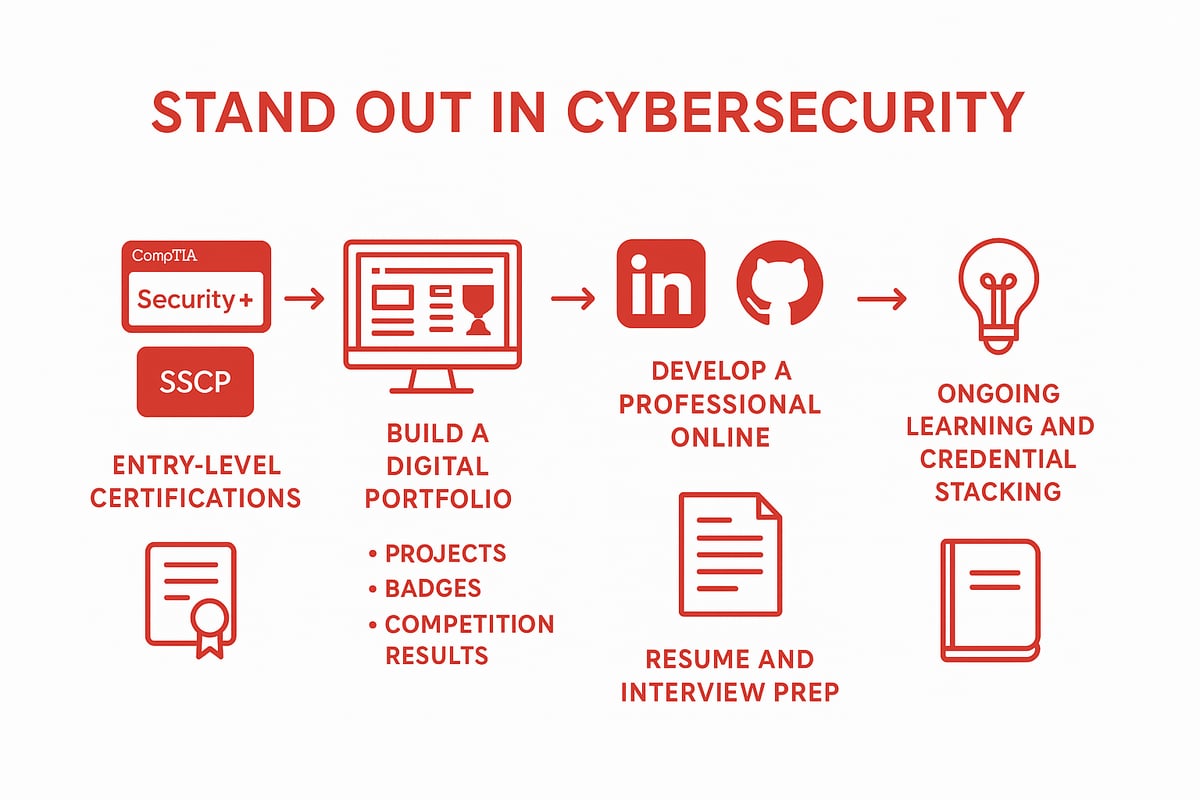
Get Certified: Your First Step to Credibility
Certifications are a powerful way to prove your skills, especially early in your cyber start. Employers look for recognized credentials like CompTIA Security+, SSCP, and even Cisco’s CyberOps Associate. These certifications show you understand core cybersecurity concepts and can apply them in real-world scenarios. Curious about which certifications to pursue? Check out the Degrees & Certifications guide for a breakdown of the most valuable options for newcomers and career changers. Earning a certification boosts your confidence and helps you stand out from the crowd.
Build Your Portfolio: Show, Don’t Just Tell
A digital portfolio is your secret weapon in the cyber start journey. Document your projects, competition results, and hands-on exercises. Include screenshots, code snippets, and write-ups of your learning process. Did you participate in CyberStart America or complete a home lab challenge? Add those achievements. Employers love to see proof of your growth and curiosity. Even if you’re new, start small and update your portfolio as you gain experience. Think of it as your personal highlight reel.
Craft Your Professional Brand Online
Your online presence matters more than ever in the cyber start era. Create a LinkedIn profile that reflects your interests, skills, and goals. Share your portfolio on GitHub or a personal website. Post about your learning journey, cybersecurity news, or recent challenges you’ve tackled. This not only helps recruiters find you but also connects you with mentors and peers. Remember, your digital footprint is an extension of your reputation, so keep it positive and professional.
Ace the Resume and Interview Process
When you’re ready to apply, tailor your resume to showcase your cyber start experiences. Highlight certifications, portfolio projects, and any competitions or internships you’ve completed. Use action verbs and quantifiable achievements. Practice common cybersecurity interview questions and review technical topics. Mock interviews with friends or mentors can help you feel confident and prepared. Remember, employers appreciate candidates who communicate clearly and show genuine passion for cybersecurity.
Keep Growing: Stack Credentials and Stay Ahead
Cybersecurity is a constantly evolving field. To keep your cyber start momentum strong, commit to ongoing learning. Stack new certifications as you gain experience, and add fresh projects to your portfolio. According to the Cybersecurity Careers: A Booming Field for the Next Decade, hiring managers increasingly prefer candidates with hands-on experience and up-to-date credentials. Stay curious, seek out new challenges, and embrace lifelong learning. This mindset will help you adapt and thrive in the fast-changing world of cybersecurity.
Step 4: Launching Your Cybersecurity Career – From Classroom to Workforce
Stepping into the workforce can feel both exciting and overwhelming, especially after building your foundation with a strong cyber start. You might be wondering, “What comes next?” The good news is, you’re not alone. Many have walked this path before, and there’s a clear roadmap to help you confidently launch your cybersecurity career.
From Classroom to Workforce: Your Cyber Start Transition
The leap from academic life to your first professional role is a defining moment in your cyber start journey. Internships and apprenticeships are often the bridge, offering real-world exposure and a chance to apply your skills in a supportive environment. Many high school and college programs, like Vermont Cyber Start, include built-in pathways for students to connect with local employers.
Start by exploring entry-level roles such as security analyst, junior engineer, or incident responder. These positions allow you to build technical expertise while learning workplace dynamics. Networking with alumni, attending career fairs, and reaching out to professionals on LinkedIn can open doors you may not expect.
Remember, every experience counts. Even volunteer work or participating in cybersecurity competitions can help you stand out to hiring managers. The most important thing is to take the first step and stay open to learning.
Researching Roles and Building Networks
Finding your fit in the cybersecurity world requires some research and strategic networking. Use job boards, company websites, and industry reports to identify which roles are in highest demand. The Cybersecurity Career Outlook: Roles, Skills, and Growth Ahead provides a helpful overview of the evolving job market and the skills employers are seeking in 2026.
Start building your network early. Join cybersecurity clubs, attend local meetups, and participate in online communities. Many professionals are eager to share advice and even mentor newcomers who show curiosity and initiative.
Don’t hesitate to reach out for informational interviews. A short conversation can provide insider tips, company insights, and encouragement. Remember, your cyber start is as much about who you know as what you know.
Mastering Interviews and Showcasing Skills
Preparing for interviews is a key step in your cyber start path. Practice answering technical questions, explaining your projects, and demonstrating your problem-solving approach. Employers want to see not just your knowledge, but also your enthusiasm and adaptability.
Build a digital portfolio to showcase your hands-on work, competition achievements, and certifications. Platforms like LinkedIn and GitHub are ideal for highlighting your cyber start journey. Consider reviewing foundational concepts with resources such as Learn Cybersecurity Fundamentals to boost your confidence before technical assessments.
Remember to tailor your resume for each role, emphasizing relevant skills and real-world experience. Mock interviews with peers or mentors can help you refine your answers and calm your nerves. Each interview is a learning opportunity—embrace it as part of your growth.
Real-World Success and Career Progression
Success stories from programs like Vermont Cyber Start and CyberStart America prove that determination and preparation pay off. Many alumni have moved from high school competitions to college scholarships, internships, and full-time cybersecurity roles within just a few years.
Track your progress by setting clear, achievable goals. Celebrate small wins, whether it’s earning a new certification or landing your first interview. The cybersecurity landscape evolves quickly, so continuous learning and adaptability are essential for long-term growth.
Your cyber start doesn’t end with your first job. Stay connected to mentors, join professional organizations, and keep building your skills. The journey is ongoing, and every step forward makes you more valuable in this dynamic field.
You’ve made it this far, and that says a lot about your commitment to building a meaningful cybersecurity career. Remember, none of us has to do this alone—whether you’re just starting out or looking to level up, finding your people makes all the difference.
If you’re ready to learn from real-world experience, share ideas, and get the kind of support that keeps you moving forward, I’d love for you to join us in the Join Cyber Launchpad Community.
Let’s navigate this journey together, help each other grow, and celebrate every win—big or small.