


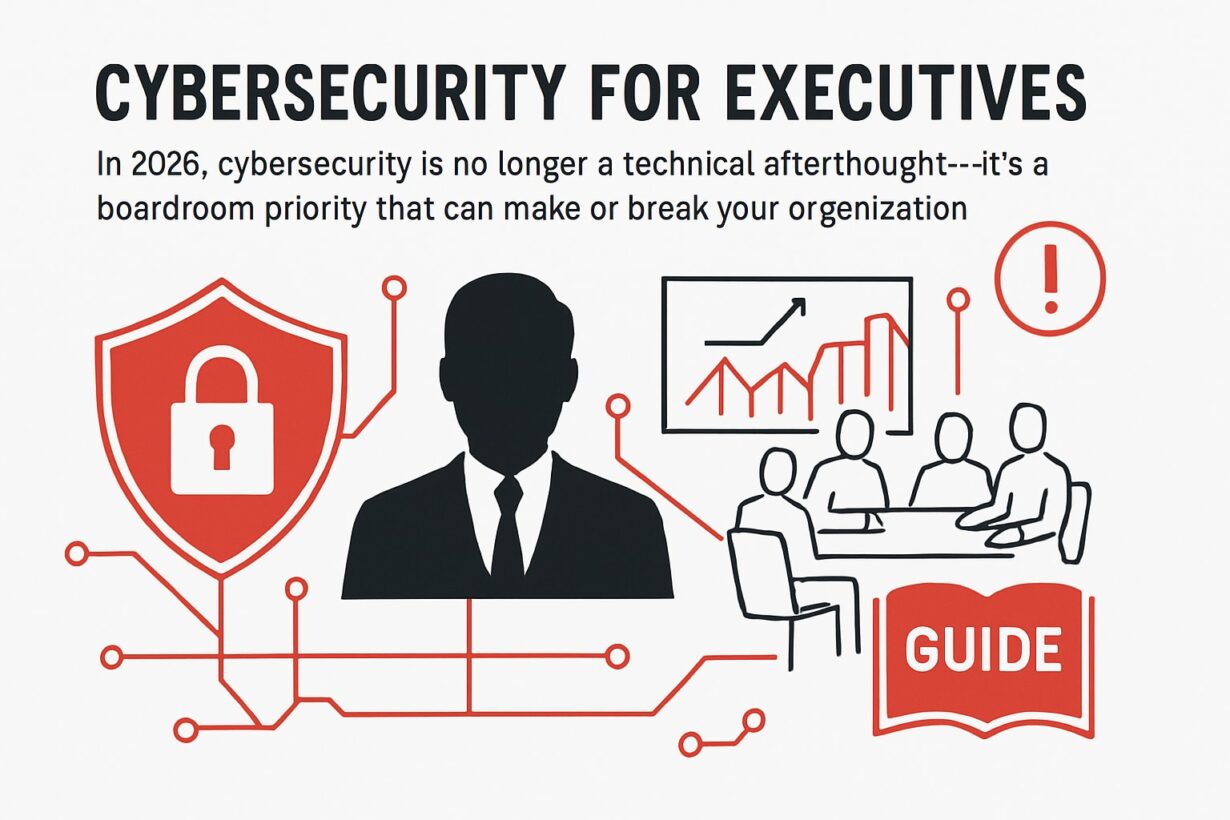
In 2026, the digital world is more unpredictable than ever, and cybersecurity for executives is no longer just an IT concern. It sits at the heart of boardroom discussions, influencing every strategic decision we make.
This guide is here to empower leaders like us with practical insights and proven frameworks. We will explore the fast-changing threat landscape, learn how to manage risk, build strong strategies, lead change, and measure what matters.
Whether you are new or experienced, cybersecurity for executives means taking charge and building a resilient organization. Let’s get started and ensure your leadership makes a real difference.
The 2026 Cyber Threat Landscape: Why Executives Must Lead
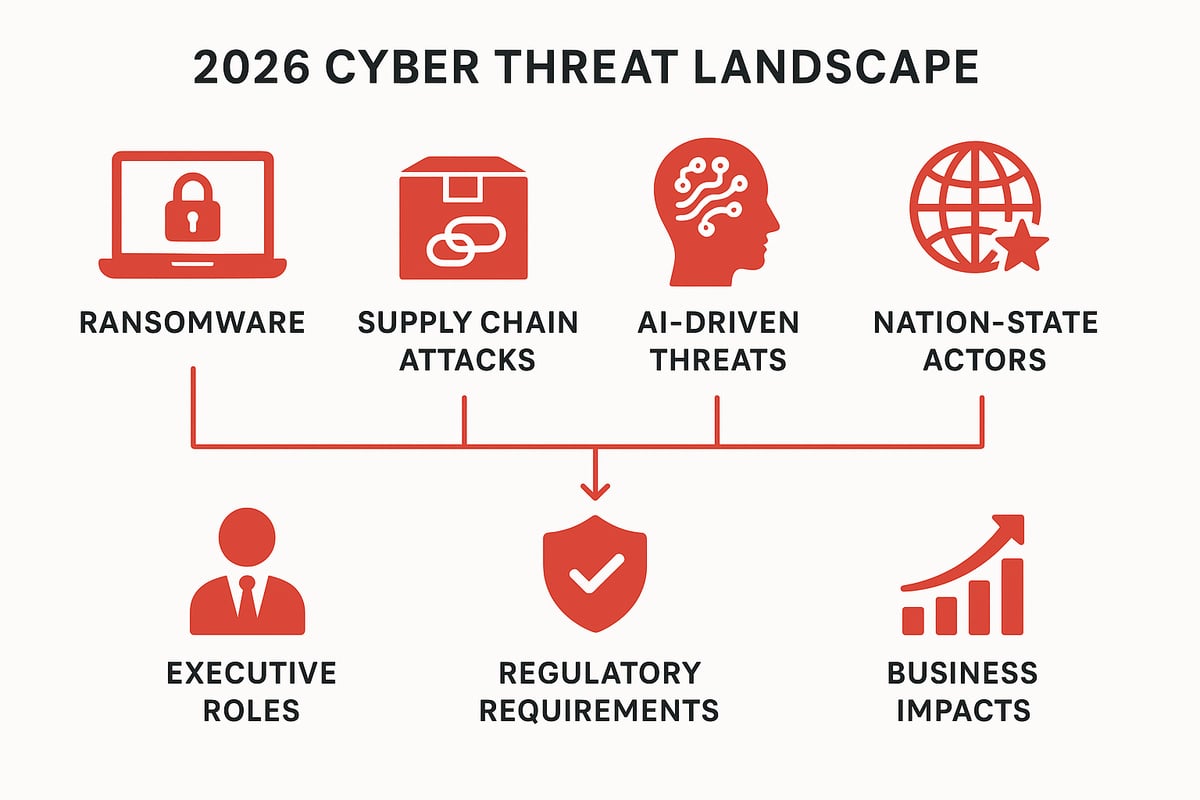
In 2026, the cyber threat landscape has evolved far beyond simple malware or phishing scams. Today, organizations face a perfect storm of sophisticated ransomware, targeted supply chain attacks, and artificial intelligence-powered threats. These risks are no longer technical issues to be delegated, but boardroom concerns that demand direct attention from leadership. Staying ahead in cybersecurity for executives is not just about technology, but about proactive strategy and accountability.
The Rise of Advanced Threats in 2026
Ransomware gangs are more sophisticated than ever, often leveraging AI to automate attacks and evade detection. Supply chain breaches now ripple across entire industries, targeting vendors and partners to infiltrate even the best-defended organizations. According to Cybersecurity Trends of 2026, executives must stay vigilant as these adversaries adapt quickly, exploiting every new technology and vulnerability.
Nation-state actors and organized cybercrime groups are responsible for a growing share of high-profile breaches. Recent statistics reveal that more than 60% of large enterprises experienced at least one major cyber incident in the past year. In this environment, cybersecurity for executives means understanding both the technical and geopolitical dimensions of risk.
Executive Accountability in a Shifting Regulatory Landscape
Regulatory frameworks have changed dramatically. Laws like the NIS2 Directive and new SEC rules require executives to take personal responsibility for cyber risk management. It is no longer acceptable to delegate all security decisions to IT. Instead, leaders must ensure compliance, oversee security programs, and be prepared to answer tough questions from regulators.
Failure to prioritize cybersecurity for executives can result in heavy fines, lawsuits, and even personal liability. As regulations evolve, so too does the expectation that executives will drive security strategy, not just approve budgets.
The Business Impact: Why Leaders Can’t Ignore Cyber Risk
The financial and reputational costs of cyber incidents have soared. A single breach can halt operations, erode customer trust, and sink share prices overnight. In some cases, the fallout includes regulatory investigations and public scrutiny that linger for years.
For this reason, cybersecurity for executives is about protecting the organization’s core assets and reputation. Leaders must weigh not just immediate costs, but the long-term impact on competitiveness and growth. Ignoring these risks can spell disaster for even the most established brands.
Digital Transformation and the Security Connection
As organizations embrace digital transformation, their attack surfaces expand rapidly. Cloud adoption, remote work, and connected devices create new vulnerabilities that cybercriminals are eager to exploit. The convergence of business innovation and security risk means that every strategic initiative must be evaluated through a cybersecurity lens.
Executives who champion cybersecurity for executives as a central pillar of digital strategy can turn security into a business enabler. This shift requires ongoing investment, cross-functional collaboration, and a willingness to adapt quickly to new threats.
Case Study: When the Boardroom Faces a Breach
Consider a well-known example: a Fortune 500 company suffered a devastating supply chain attack that compromised sensitive customer data. The fallout was immediate, with the board demanding answers from the executive team. Public trust plummeted, regulatory agencies launched investigations, and the company’s market value took a significant hit.
This incident underscores why cybersecurity for executives must be a top priority. When the worst happens, it is executive leadership that the world turns to for answers, accountability, and recovery.
Building a Cyber-Resilient Organization: Strategy and Governance
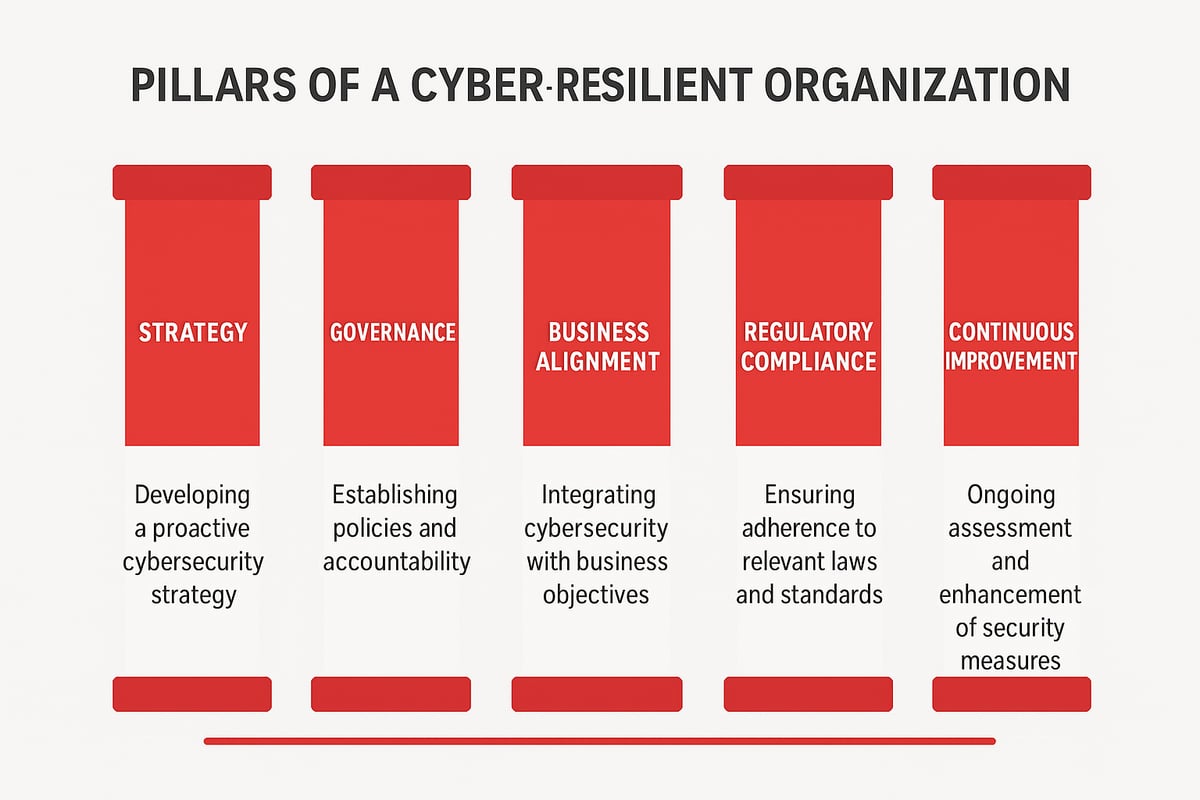
Today, resilience is the gold standard for organizations facing relentless cyber threats. For cybersecurity for executives, the challenge is no longer just about preventing attacks. It’s about preparing the business to withstand, respond to, and recover from whatever comes its way.
A cyber-resilient organization doesn’t just bounce back. It adapts, learns, and grows stronger after each incident. This shift demands a new mindset for cybersecurity for executives—one that treats security as a living, breathing part of business strategy, not an isolated IT project.
Defining Cyber Resilience: More Than Just Defense
Cyber resilience means your organization can keep operating even when systems are under attack. For cybersecurity for executives, this involves more than strong firewalls or anti-virus tools. It’s about preparing for the unexpected, ensuring business continuity, and being ready to recover quickly.
Resilience covers three core areas:
- Prevention: Reducing the likelihood of successful attacks.
- Response: Detecting and containing threats as they happen.
- Recovery: Restoring operations and learning from incidents.
When cybersecurity for executives is truly resilient, the boardroom can face crises with confidence, knowing there’s a plan for every scenario.
Integrating Cybersecurity Into Business Strategy
Digital transformation brings opportunity, but also new risks. That’s why cybersecurity for executives must be woven into every strategic initiative. It’s not just about protecting data—it’s about safeguarding your brand, your customers, and your future.
Smart leaders make security part of their vision. They ask:
- How does cybersecurity for executives support our business growth?
- Are our digital projects secure by design?
- What risks could derail our strategy?
By making security a pillar of business planning, executives create organizations that thrive in a digital world.
Governance Models: Board Involvement, CISO Roles, and Teams
Strong governance is the backbone of cybersecurity for executives. The board must treat cyber risk as a core business risk, not an IT afterthought. This means regular briefings, clear reporting lines, and a seat at the table for the Chief Information Security Officer (CISO).
A typical governance structure includes:
- Board of Directors: Sets risk appetite, demands accountability.
- CISO: Leads strategy, reports to the board or CEO.
- Cross-Functional Teams: IT, legal, operations, HR, all working together.
For practical guidance on governance models and compliance, executives can explore Cybersecurity governance and compliance, which offers detailed frameworks and real-world examples.
Aligning Security Initiatives With Business Objectives
Every dollar spent on cybersecurity for executives should drive measurable results. Security goals must align with what matters most to the business—whether that’s uptime, customer trust, or regulatory compliance.
To achieve this, leaders should:
- Set clear, business-focused security objectives.
- Use metrics that resonate with non-technical stakeholders.
- Regularly review progress and adjust priorities.
This alignment turns security from a cost center into a competitive advantage.
Creating a Robust Cybersecurity Strategy in 2026
Building a winning strategy for cybersecurity for executives starts with understanding the threat landscape and your organization’s unique risk profile.
Key steps include:
- Assess Current State: Identify strengths and gaps.
- Set Vision and Goals: Define what resilience means for your business.
- Develop Roadmaps: Outline projects, timelines, and responsibilities.
- Engage Stakeholders: Get buy-in from across the organization.
- Test and Adapt: Use simulations, drills, and feedback loops.
This approach ensures cybersecurity for executives is proactive, not reactive.
Avoiding Strategy Pitfalls
Many organizations stumble because they treat security as a technical silo. Common pitfalls for cybersecurity for executives include:
- Lack of executive buy-in or visible leadership.
- Misaligned incentives between departments.
- Overlooking third-party and supply chain risks.
- Focusing only on compliance, not true resilience.
Awareness of these traps helps leaders steer clear and build stronger defenses.
Regulatory Compliance as a Strategic Driver
Regulations like GDPR, NIS2, and industry-specific mandates are shaping the future of cybersecurity for executives. Rather than viewing compliance as a burden, savvy leaders use it as a catalyst for improvement.
When compliance is part of your strategic plan, it drives investment in better controls, more robust processes, and a culture of accountability. Organizations that embrace this approach often find themselves ahead of both regulators and competitors.
Success Stories: Security as a Value Driver
Some organizations have transformed cybersecurity for executives from a cost center into a value driver. By making security a core part of their mission, they build trust with customers, win new business, and recover faster from attacks.
These success stories show what’s possible when leadership, strategy, and governance work in harmony. With the right approach, every executive team can make cybersecurity a source of strength and competitive edge.
Change Management and Workforce Readiness
Adapting to rapid digital threats requires more than just technology. For organizations serious about cybersecurity for executives, change management is the glue that binds strategy to real-world results. Without it, even the most robust security plans often fall short as employees, processes, and systems struggle to keep pace.
The Critical Role of Change Management
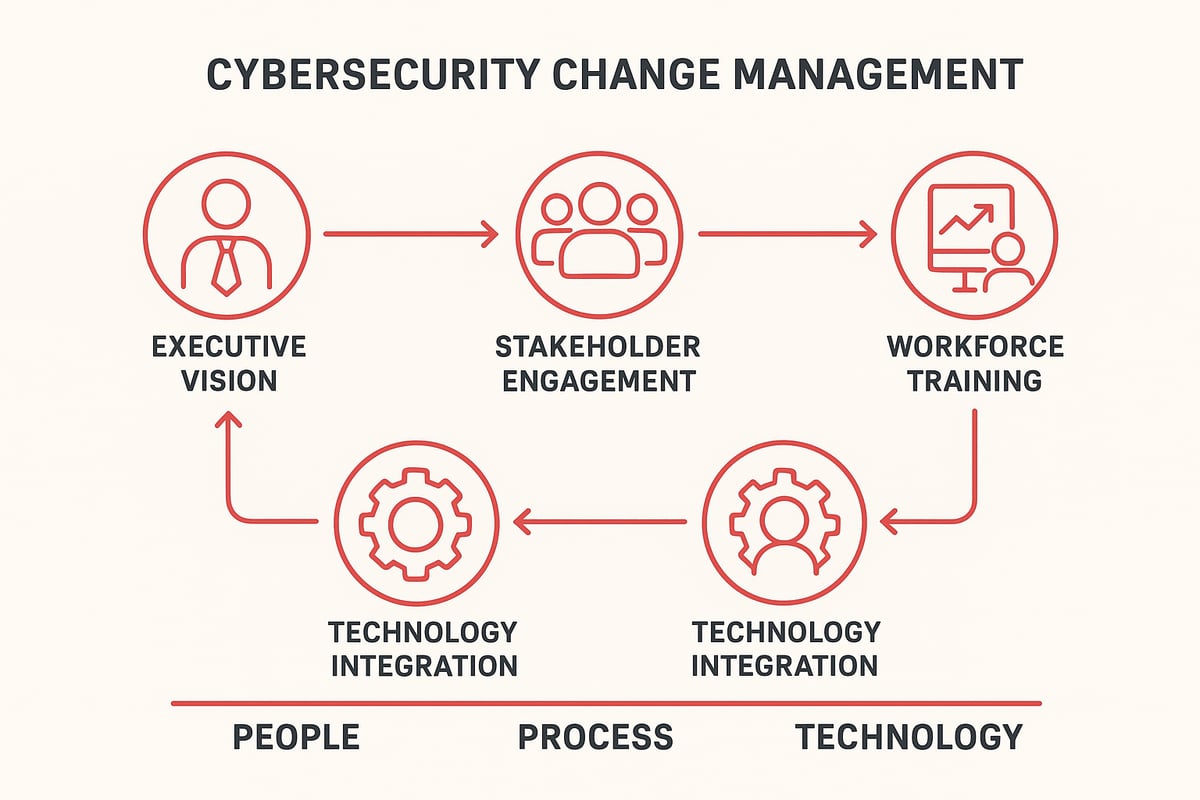
Change management is now a board-level concern. In 2026, digital transformation and evolving threats demand that cybersecurity for executives is not just about technical controls, but about guiding people through change. Executive leadership must articulate a vision for security, model desired behaviors, and champion security as a core business value. This leadership focus sets the tone for the entire organization, ensuring change is embraced, not resisted.
Implementing Security-Driven Change Initiatives
For cybersecurity for executives to succeed, leaders need a clear roadmap for when and how to roll out security changes. This means timing initiatives around business cycles, regulatory deadlines, or after critical incidents. Effective leaders prioritize early engagement with stakeholders, communicating the “why” behind new security measures. By aligning change with business objectives, executives can reduce friction and accelerate adoption.
People, Processes, and Technology: The Human Factor
The success of cybersecurity for executives hinges on understanding how change affects people, not just systems. Employees must feel equipped and confident to adopt new processes. Training is essential, but so is empathy—leaders should listen to feedback and adjust as needed. Balancing process updates and technology rollouts with workforce readiness helps avoid burnout and builds a culture where security is second nature.
Best Practices for Change Management Success
Driving successful cybersecurity for executives requires following proven best practices:
- Communicate openly and frequently about upcoming changes.
- Provide hands-on training and practical resources.
- Involve key stakeholders from IT, HR, legal, and operations.
- Set clear expectations and reward positive security behaviors.
- Monitor progress and celebrate quick wins.
Leadership is the cornerstone. For more on what sets great executive leadership apart, explore Strategic cybersecurity leadership for deeper insights.
Measuring Impact and Driving Continuous Improvement
Measurement is vital to ensure change is truly effective. Executives should define success metrics—such as reduced phishing incidents or improved incident response times—to gauge progress. Regular pulse surveys and feedback loops help leaders fine-tune their approach, keeping cybersecurity for executives at the top of the agenda.
Case Study: A Company’s Security Transformation
Consider a global retailer that faced repeated phishing attacks. By launching a leadership-driven change initiative, providing targeted training, and rewarding secure behavior, they cut successful attacks by 70% in one year. This case shows how strategic change management can turn cybersecurity for executives into real-world resilience.
Measuring Success: Executive Metrics and Cybersecurity Performance
In today’s digital landscape, measuring the effectiveness of cybersecurity for executives is more than a best practice—it is a business imperative. Leaders face mounting pressure to demonstrate not just investment, but tangible results from their cybersecurity programs. Clear, actionable metrics bridge the gap between technical controls and strategic outcomes, empowering executives to make informed decisions that protect their organizations.
Why Metrics Matter for Executive Leadership
For cybersecurity for executives, metrics serve as a compass. They help track progress, flag vulnerabilities, and justify resource allocation. Boards and regulators increasingly expect leaders to provide evidence of effective risk management. As the threat landscape evolves, executives must be able to answer: Are we safer than yesterday? Where should we invest next?
What Should Executives Measure?
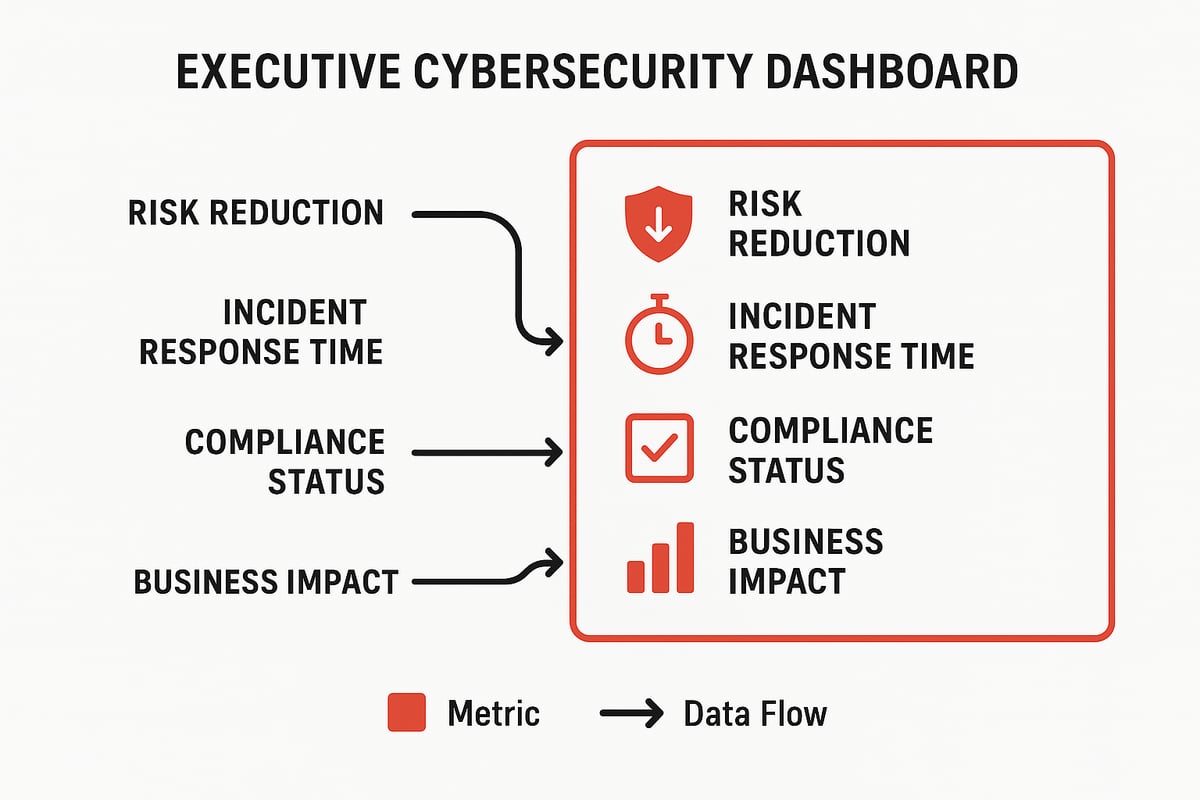
The right metrics bring clarity to complex challenges. For cybersecurity for executives, consider focusing on:
- Risk reduction: Quantify how current controls lower exposure to threats. This could include the percentage of critical vulnerabilities remediated within set timeframes.
- Incident response times: Measure how quickly your teams detect, contain, and recover from incidents. Faster response limits damage and builds trust.
- Compliance status: Track adherence to frameworks like NIST, ISO 27001, or industry regulations. Regular audits and compliance scores provide a snapshot of organizational health.
- Business impact: Assess the financial, reputational, and operational effects of cyber incidents. Metrics such as downtime hours, lost revenue, or customer churn help translate technical risks into business language.
Building Executive Dashboards
Dashboards are essential tools for making cybersecurity for executives accessible and actionable. A well-designed dashboard distills complex data into clear visuals and trends. Use color-coded alerts, risk heat maps, and trend lines to highlight key areas. Prioritize metrics that tie directly to strategic objectives, such as risk reduction over time or compliance readiness.
Driving Strategic Decisions with Metrics
Metrics are not just for reporting—they guide where to focus time, budget, and energy. When cybersecurity for executives is measured effectively, leaders can prioritize investments that deliver the greatest risk reduction. Metrics also support scenario planning, helping executives prepare for emerging threats and shifts in the regulatory landscape.
Recent research, such as the Cybersecurity Market Report 2026, underscores the surge in global cybersecurity investments and reinforces the need for robust executive-level metrics to justify and optimize spending.
Alignment and Communication
To maximize effectiveness, align cybersecurity for executives metrics with broader business goals. Regularly review KPIs with your board and senior stakeholders. Be transparent about challenges as well as successes. Effective communication fosters trust and enables the board to ask insightful questions, strengthening governance.
Examples of Effective Executive Dashboards
Leading organizations use dashboards that:
- Display real-time risk scores and incident counts.
- Show compliance status across business units.
- Track progress on strategic security initiatives.
- Offer drill-downs for board members interested in details.
- Facilitate scenario modeling for resource planning.
A clear, actionable dashboard is the heartbeat of cybersecurity for executives, enabling leaders to steer their organizations confidently in an uncertain world.
Executive Response: What to Do When (Not If) You Get Hacked
No organization is immune to cyber threats. In 2026, the question for leaders is not if, but when, a breach will occur. For those focused on cybersecurity for executives, being prepared is not just recommended—it is essential for business survival and trust.
The Inevitability of Cyber Incidents
Cyberattacks have become a daily reality for organizations worldwide. For those leading cybersecurity for executives, acknowledging this inevitability is the first step toward resilience. Leaders must foster a mindset that views breaches as a matter of “when” rather than “if.” This approach helps shift organizational culture from reactive to proactive, ensuring that everyone is prepared for the unexpected.
Preparation Before a Breach
Preparation is the cornerstone of effective response. Executives should champion the development and regular testing of incident response plans. This includes running tabletop exercises that simulate realistic attack scenarios, so teams know their roles when seconds count. Establish clear communication protocols, both internally and externally, to reduce confusion during a crisis. For a practical guide on executive preparation and response, see this incident response and disaster recovery resource.
Immediate Executive Actions
When a breach is detected, time is of the essence. Leaders must quickly assemble the response team, isolate affected systems, and begin incident documentation. Communication with stakeholders, regulators, and law enforcement should be swift and transparent. In cybersecurity for executives, the ability to coordinate efforts and maintain calm under pressure is a defining leadership trait. Documenting every action helps with accountability and future reviews.
Business Continuity and Recovery
Restoring business operations is a top executive priority. Activate business continuity and disaster recovery plans to keep critical services running. Regularly review these plans to ensure they align with the latest threats and business changes. Cybersecurity for executives involves not just technical recovery, but also reassuring customers and partners that the organization is in control and committed to resilience.
Legal, Regulatory, and PR Considerations
Managing legal and regulatory obligations is non-negotiable. Executives must understand notification requirements for customers, regulators, and partners. Legal teams should be engaged early to help manage disclosures and mitigate legal exposure. At the same time, PR teams need clear messaging to protect the organization’s reputation. A transparent, honest approach helps maintain trust—a vital asset in cybersecurity for executives.
Lessons Learned and Strengthening Defenses
After the dust settles, conduct a thorough post-incident review. Identify what worked, what failed, and where improvements are needed. Use these lessons to refine policies, update training, and strengthen technical defenses. For executives, fostering a culture of continuous improvement is key to long-term success in cybersecurity for executives.
The Future of Cybersecurity Leadership: Skills and Mindsets for 2026
The future of cybersecurity for executives is rapidly unfolding, with new threats, technologies, and expectations reshaping what it means to lead. As organizations become more digital and interconnected, executive leadership must evolve to meet these challenges head-on. Success in cybersecurity for executives now depends on vision, adaptability, and the courage to drive change from the top.
The Executive’s New Role in Cybersecurity
Gone are the days when technical teams managed cyber risk alone. Today, boards and C-suites are expected to champion cybersecurity for executives as a core business priority. This mindset shift means executives actively shape security policies, make investment decisions, and model security-first behavior across the organization.
Leaders who embrace this responsibility empower their teams, foster a culture of accountability, and ensure cybersecurity for executives is woven into every strategic decision. The stakes are high, and the boardroom is now the front line.
Skills Every Security Leader Needs in 2026
To excel, executives must cultivate a new set of leadership skills tailored for the evolving landscape of cybersecurity for executives. Strategic thinking is essential, enabling leaders to anticipate emerging risks and align security with long-term business goals. Crisis management skills ensure a steady hand during incidents, while cross-functional collaboration bridges gaps between IT, legal, operations, and beyond.
Continuous learning is key. The best leaders seek diverse perspectives, encourage ongoing education, and turn every cyber event into an opportunity for improvement.
Innovation and Emerging Threats
Executives must keep pace with rapid innovation. Trends like AI-driven attacks, automation, and the shift toward Zero Trust and identity security demand proactive leadership. The ability to evaluate, adopt, and govern new technologies is now a hallmark of effective cybersecurity for executives.
Investment in advanced security measures is on the rise, reflecting the critical role executives play in shaping the future. Staying informed about global spending projections and emerging frameworks helps leaders prioritize what matters most.
Lifelong Learning and Building Resilient Cultures
A growth mindset is vital for cybersecurity for executives. Leaders who champion learning, both personally and across their organizations, create teams that can adapt to any threat. Investing in training, peer networks, and industry resources ensures sustained resilience.
Building a culture where people feel empowered to report risks, share knowledge, and innovate strengthens every layer of defense. The most successful executives lead by example, making security a shared mission.
Looking Ahead: Leading with Confidence
The road ahead will be filled with uncertainty, but with the right skills and mindset, cybersecurity for executives becomes a source of strength. Embrace your evolving role, invest in people and technology, and foster a culture of trust and agility.
As we move into 2026 and beyond, let’s lead with confidence, knowing that together, we can build organizations ready for whatever comes next.
Join us in the Join CISO Launchpad Community Together, we can swap stories, learn from each other’s journeys, and help shape what security leadership looks like for the future.